
Church Near Me vs. Church Within Me: Why Online Community Builds Deeper Faith Than Sunday Attendance
- Boundless Team

- Jan 13
- 6 min read
Updated: Jan 22
Welcome home, friend. You're never forgotten, never alone, and deeply loved by God.
The Search That Changed Everything
Last Sunday, Maria typed "church near me" into her phone for the third time this month. Between her demanding work schedule, caring for her elderly mother, and living 45 minutes from the nearest church that felt welcoming, she wondered if she was failing at faith. Sound familiar?
What Maria discovered: and what thousands of believers worldwide are learning: is that the most transformational spiritual relationships aren't always found in the building down the street. They're cultivated in the sacred space of authentic community, whether that's in a sanctuary or your living room connecting with fellow believers through Boundless Online Church.
This is Part 1 of our 5-part series exploring how God designed us for deep, non-transactional relationships that go far beyond Sunday attendance or obligation-based giving. Let's dive into what neuroscience, relationship psychology, and Scripture reveal about building the "church within me."
The Transaction Trap: When Faith Becomes Currency
!
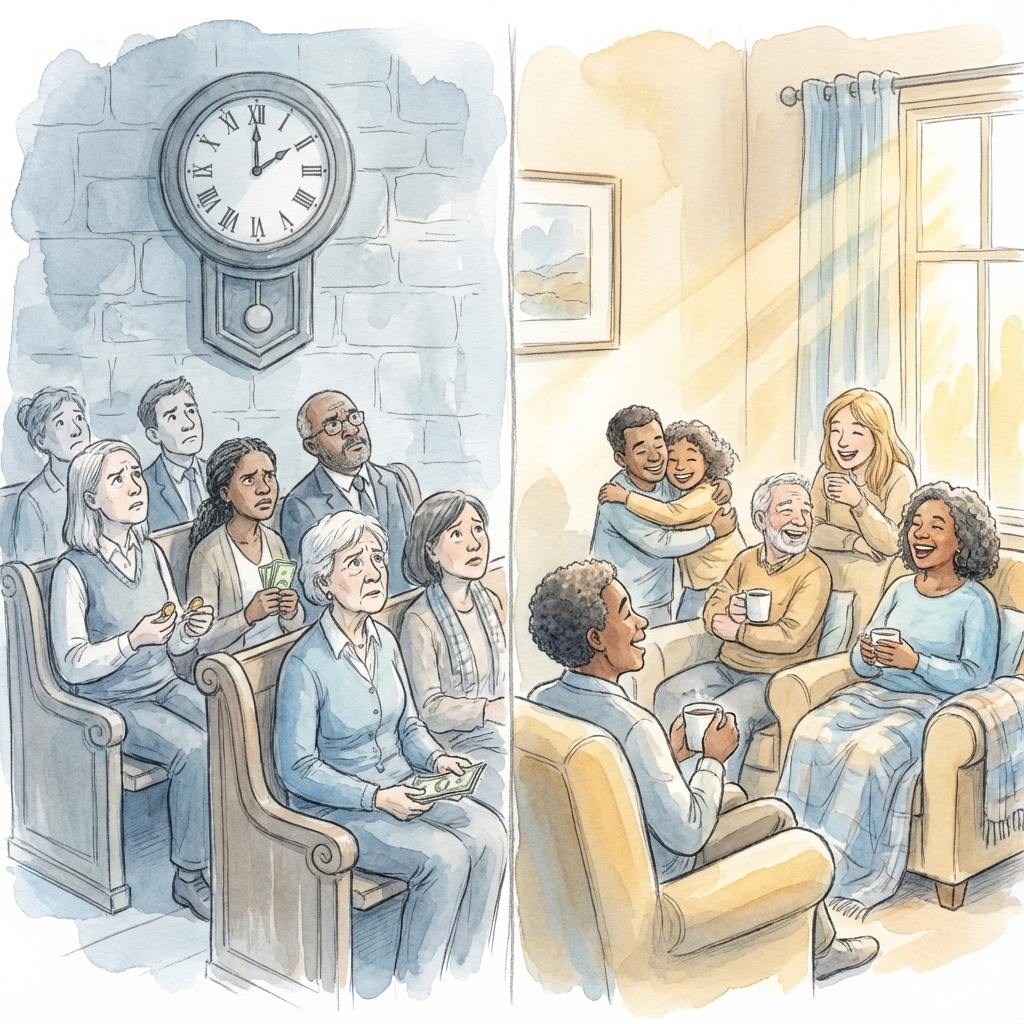
Think about your last few Sunday services. Did you walk in thinking, "I need to be here for an hour, put $20 in the offering, and check my weekly God-box"? If so, you've fallen into what researchers call transactional spirituality: treating church like a spiritual ATM where you deposit good behavior and withdraw divine favor.
Dr. Timothy Keller notes that when we approach faith transactionally, we're essentially saying, "God, here's what I'll do for you, now here's what you owe me." This mindset creates spiritual anxiety because we're constantly measuring our performance instead of resting in relationship.
Neuroscience backs this up. When we operate from transactional thinking, our brains activate stress response patterns similar to workplace performance reviews. Our prefrontal cortex: the area responsible for deep spiritual reflection: actually becomes less active when we're focused on "earning" rather than "receiving."
Biblical Truth Check: Jesus consistently rejected transactional approaches. When the rich young ruler tried to purchase eternal life through rule-following (Matthew 19:16-22), Jesus redirected him toward relationship. When Martha got caught up in performance-based serving, Jesus praised Mary for simply being present (Luke 10:38-42).
The "church within me" concept isn't about rejecting community: it's about recognizing that your deepest spiritual growth happens when you're authentically connected to God and others, regardless of physical location.
The Neuroscience of Deep Spiritual Connection
Here's what's fascinating: Recent studies on religious experience show that meaningful spiritual community activates the same neural pathways as secure attachment relationships. When you experience genuine acceptance and love: whether in a pew or a video call: your brain releases oxytocin, reduces cortisol, and strengthens the neural networks associated with trust and empathy.
Dr. Lisa Miller's groundbreaking research at Columbia University demonstrates that people with strong spiritual connections show:
76% lower rates of depression
Improved immune function
Enhanced emotional regulation
Greater resilience during crisis
But here's the key: These benefits aren't tied to physical church attendance. They're linked to authentic spiritual relationship: feeling truly known, loved, and connected to both God and community.
Layne McDonald, our fiction faith-based writer here at Boundless, puts it beautifully: "God didn't design us for religious performance. He designed us for divine romance: a love story that transforms everything we touch."
Why Online Community Often Goes Deeper
!

Before you assume this is anti-church propaganda, hear this: I'm not arguing against in-person worship. I'm arguing for recognizing that deep faith community can happen anywhere authentic relationship exists.
Consider these realities:
Vulnerability Barriers Are Lower: Research shows people often share more authentically in online small groups because physical appearance and social hierarchies feel less prominent. When Sarah from Ohio connects with our global prayer groups, she's not worried about what car she drove or whether her kids are acting up in the nursery.
24/7 Accessibility: Spiritual crisis doesn't wait for Sunday morning. When grief strikes at 2 AM, our prayer warriors are available. When doubt creeps in during your lunch break, live chat connects you instantly to pastoral care.
Global Perspective: Instead of only hearing from people who look, think, and earn like you, online communities connect you with believers from every nation, age, and background. This expands your understanding of God's character exponentially.
Consistent Connection: While Sunday attendance might be weekly, online community members often engage daily through our blogs, podcasts, small groups, and live video sessions. This consistency builds deeper relationship over time.
The Biblical Foundation: Church as Relationship, Not Location
Scripture consistently defines church as people, not place. When Jesus said, "Where two or three gather in my name, there am I with them" (Matthew 18:20), He didn't specify a building. When Paul wrote to the churches, he was addressing communities of believers, many of whom met in homes and connected across vast distances through letters: the ancient equivalent of digital communication!
The early church thrived through relational networks that transcended geography. Believers shared resources, prayed for each other across continents, and built deep spiritual bonds through written correspondence. Sound familiar?
Consider how the apostle John addressed his scattered congregation in 1 John 1:3-4: "We proclaim to you what we have seen and heard, so that you also may have fellowship with us. And our fellowship is with the Father and with his Son, Jesus Christ. We write this to make our joy complete."
John understood that authentic fellowship: koinonia: happens when hearts connect around Christ, regardless of physical proximity.
Breaking Free from Geographical Limitations
!
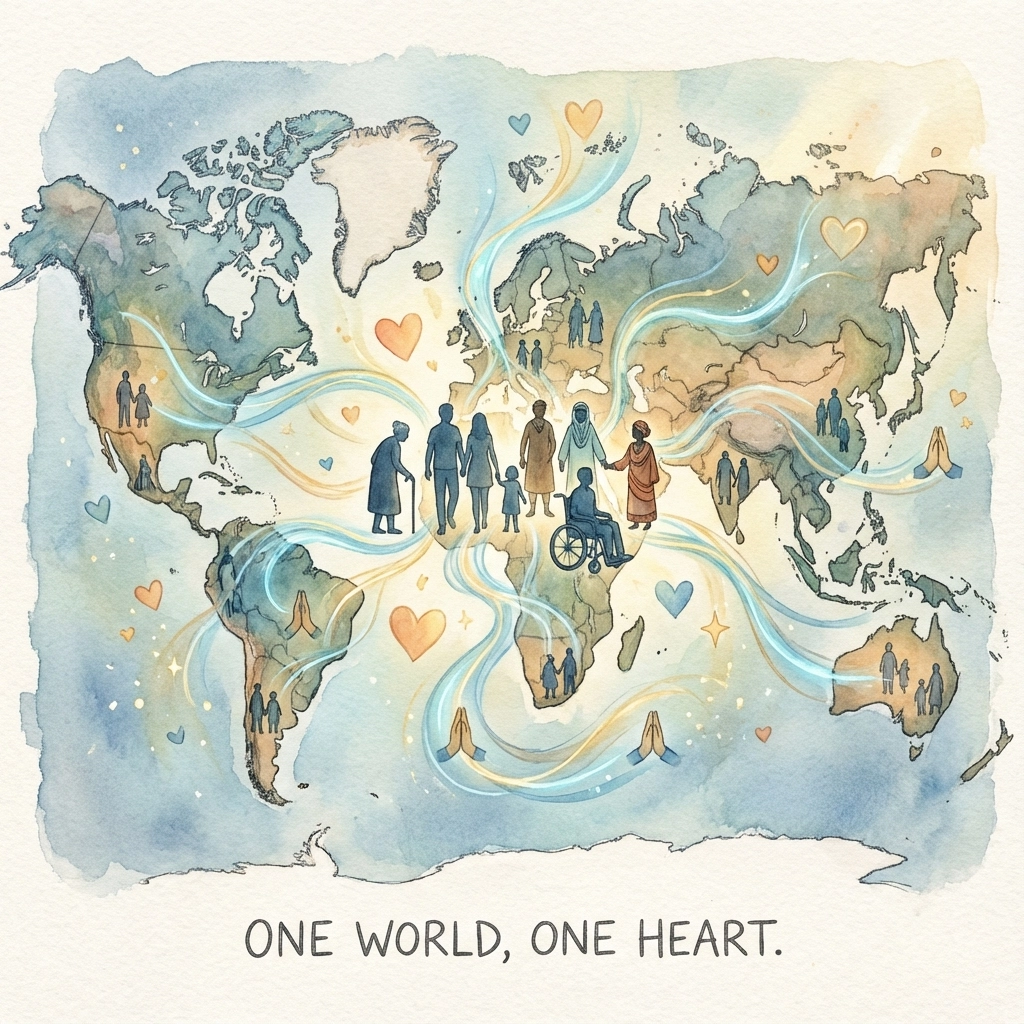
Traditional church attendance often comes with invisible barriers:
Geographic constraints (especially in rural areas)
Physical limitations (chronic illness, disability, caregiving responsibilities)
Social anxiety or past church trauma
Work schedules that conflict with service times
Financial stress about tithing expectations
Online community removes these barriers while maintaining: and often deepening: the essential elements of church: worship, biblical teaching, prayer, fellowship, and service opportunities.
At Boundless, we've seen single mothers find their first genuine Christian friendships through our mom's groups. We've watched isolated seniors discover purpose through our virtual volunteer opportunities. We've celebrated as young adults who felt judged in traditional settings find acceptance and spiritual growth in our diverse, global community.
Top 3 Ways Church Leaders Can Level Up Deep Connections
1. Prioritize Presence Over Performance Stop measuring spiritual maturity by attendance charts and offering totals. Instead, create space for authentic sharing, vulnerable prayer, and real-life application of biblical principles. Train your team to ask, "How can we help you experience God's love today?" rather than "Have you been reading your Bible enough?"
2. Embrace Hybrid Community Models The future of church isn't either/or: it's both/and. Integrate online small groups, virtual prayer meetings, and digital pastoral care alongside in-person services. Use technology to extend your community's reach rather than viewing it as competition.
3. Focus on Relationship Science in Ministry Learn how attachment theory, emotional intelligence, and neuroscience can improve your pastoral care. Understand that people need to feel safe before they can grow spiritually. Create environments: online and offline: where authentic relationship can flourish.
Top 3 Ways Individuals Can Level Up Their Spiritual Connections
1. Shift from Obligation to Invitation Instead of asking "What do I owe God this week?" ask "How is God inviting me into relationship today?" Replace performance-based spirituality with curiosity-driven faith. Join our daily prayer threads or attend our live video sessions to experience this difference firsthand.
2. Embrace Vulnerable Community Whether you're connecting through our global small groups, local meetups, or our 24/7 chat support, practice authentic sharing. Research shows that spiritual vulnerability: sharing your real struggles and victories: deepens both your faith and your relationships exponentially.
3. Serve Beyond Your Zip Code Use technology to expand your service opportunities. Join our virtual mission projects, mentor young believers through our training programs, or support our global prayer initiatives. When your service transcends geography, your perspective of God's kingdom expands dramatically.
Your Journey Starts Here
The question isn't whether you need community: science and Scripture both confirm you do. The question is where you'll find the authentic, life-giving relationships that help you grow in faith.
Maybe that's in a building near you. Maybe it's in a living room Bible study. Maybe it's through the global community waiting to welcome you at Boundless Online Church.
Wherever you find it, remember: You're not alone in this journey. You're part of a worldwide family that celebrates your unique story and calls out the God-given potential within you.
Ready to experience deeper spiritual community? Join thousands of believers worldwide at Boundless Online Church where membership is always free, your story matters, and you'll find the church within you was always meant to connect with the church around you.
Next week in Part 2: "The Tithing Trap: Why Your Offering Reveals Your Heart (And How to Give from Love, Not Fear)"
For more content like this, go to www.boundlessonlinechurch.org.
First Assembly Memphis8650 Walnut Grove RoadCordova, Tennessee 38018Phone: 901-843-8600Email: info@famemphis.net
Comments