
Pioneers & People of the Assemblies of God: Meet the Trailblazers
- Layne McDonald, Ph.D.
- Dec 29, 2025
- 5 min read

Part 2 of 5: The remarkable men and women who shaped a movement
You know how every great movement has those pivotal moments when ordinary people do extraordinary things? The Assemblies of God is filled with exactly those kinds of stories. These weren't perfect people, they were farmers, former army officers, missionaries, and pastors who simply said "yes" when God called. Their legacy lives on today in churches like First Assembly Memphis and online communities like ours at Boundless Online Church.
Let's meet the trailblazers who turned a small Pentecostal spark into a worldwide flame.
The Theologian Who Started It All: Charles Parham
Charles Parham wasn't trying to start a denomination, he was just a Bible school teacher looking for answers. In 1900, at his Bethel Bible School in Topeka, Kansas, Parham challenged his students with a simple question: "What is the Bible evidence of receiving the baptism in the Holy Spirit?"
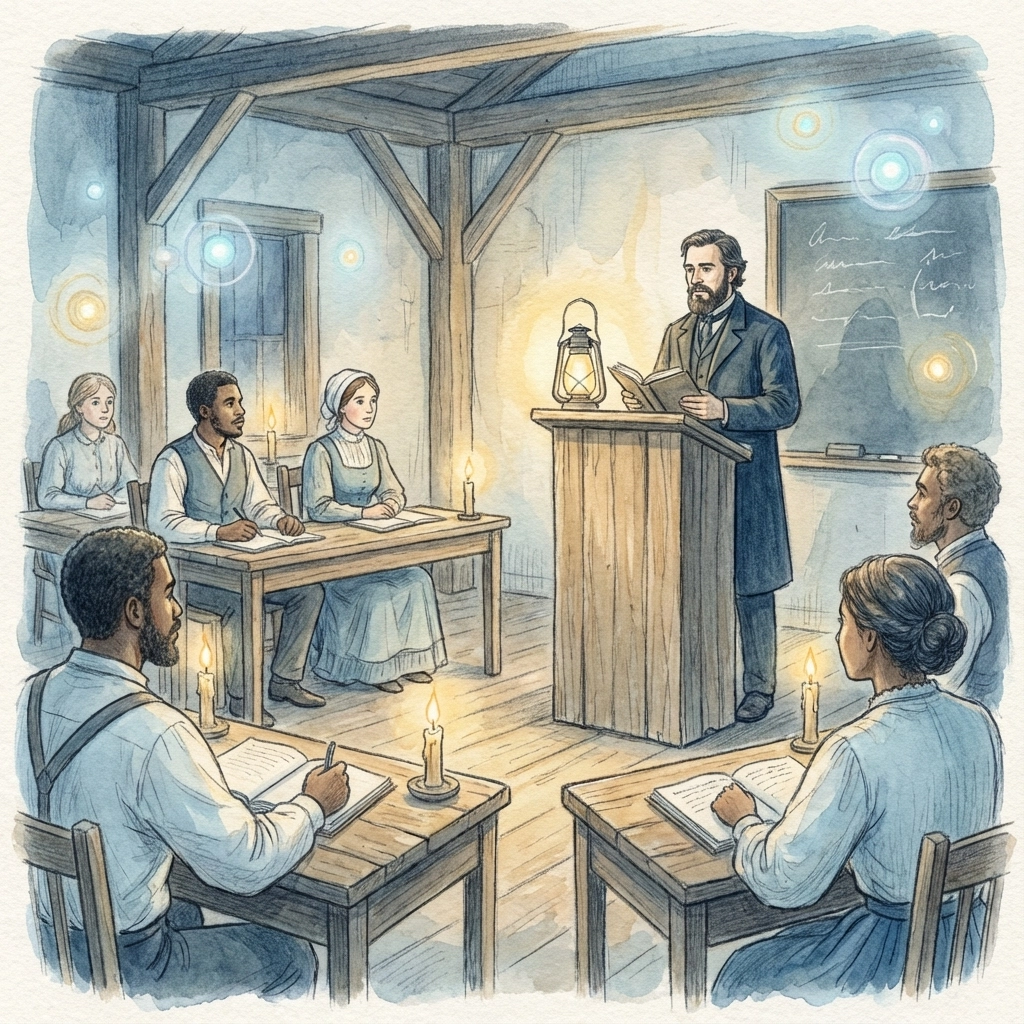
After studying the book of Acts, his students concluded it was speaking in tongues. On January 1, 1901, during a prayer meeting, student Agnes Ozman began speaking in what they believed was Chinese. Soon, other students followed. Parham had unwittingly provided the theological framework that would define the Pentecostal movement.
Here's what's fascinating: Parham never intended to create a movement. He was simply pursuing biblical truth. His emphasis on speaking in tongues as the "initial evidence" of Spirit baptism became a cornerstone doctrine that distinguished Pentecostals from other Christian groups.
The Revival Leader Who Changed Everything: William Seymour
If Parham provided the theological foundation, William Seymour provided the explosion. This African-American preacher, who had briefly attended Parham's school (though sadly, due to segregation, had to sit outside the classroom and listen through the doorway), took these teachings to Los Angeles in 1906.
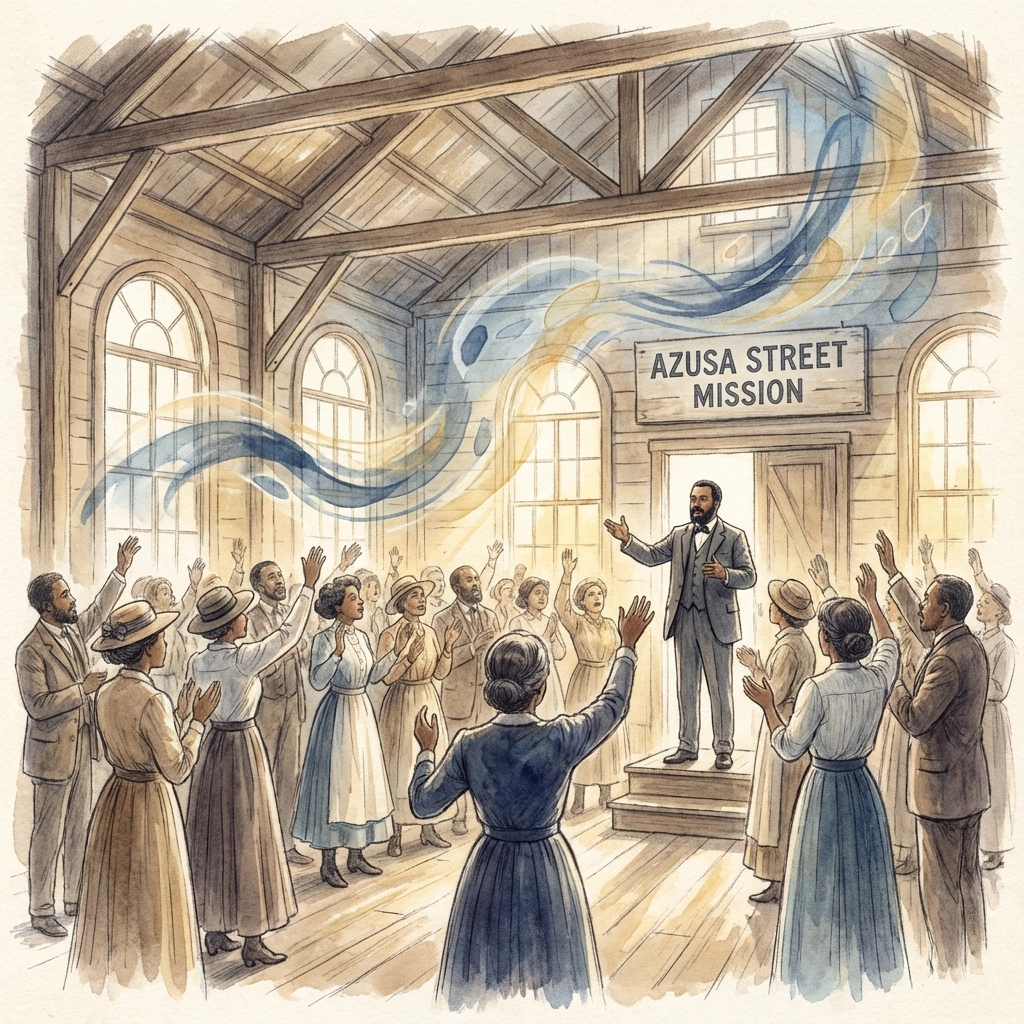
What happened next changed church history forever. At 312 Azusa Street, in a former Methodist church building that had been used as a stable and warehouse, Seymour led what became known as the Azusa Street Revival. For three years, services ran almost continuously, day and night. People from all races, social classes, and backgrounds came together to worship.
The revival was messy, emotional, and completely counter-cultural. Newspapers mocked it, calling it "wild fanaticism." But something real was happening. Visitors from around the world came, received the Pentecostal experience, and returned to their home countries as missionaries. Within a few years, Pentecostalism had spread globally.
Seymour's leadership style was remarkable for its time, he emphasized racial integration and the equality of all believers, radical concepts in the Jim Crow era.
The Organizers Who Made It Official: The 1914 Founders
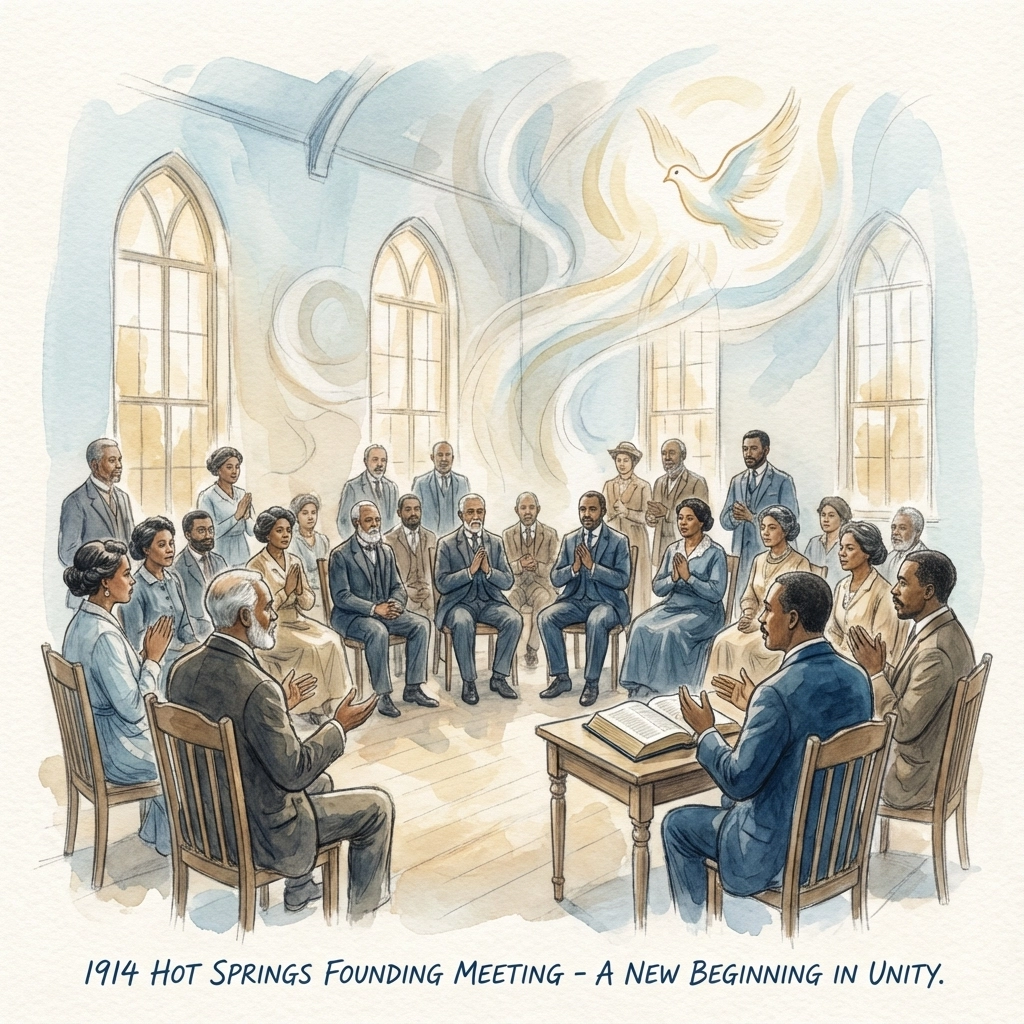
By 1914, Pentecostal churches and ministers across America realized they needed some form of fellowship and organization. About 300 men and women gathered in Hot Springs, Arkansas, from April 2-12, 1914, to form what would become the Assemblies of God.
Eudorus N. Bell became the first chairman (later called general superintendent). Bell was a former Baptist pastor who had received the Pentecostal experience and understood the need for both spiritual freedom and organizational structure.
J. Roswell Flower was elected as the first secretary. Flower would become legendary for his administrative skills and his ability to keep detailed records during the denomination's early chaotic years. Fun fact: Flower's meticulous record-keeping is why we know so much about the AG's early history today!
Arch P. Collins earned the nickname "the saintly peacemaker." During those early organizational meetings, when passionate personalities clashed over doctrine and structure, Collins was the one who helped everyone find common ground. His gentle spirit and wisdom kept the fledgling organization from splitting apart during critical moments.
One of the most touching moments of that first General Council came when Bishop Mason of the Church of God in Christ spoke to bless the formation of the Assemblies of God. He even brought a black gospel choir, creating a beautiful moment of racial unity during a deeply segregated time in American history.
The Barrier Breakers: Diversity from Day One
What's remarkable about the early AG is how quickly it transcended racial and cultural boundaries. This wasn't an all-white, all-American movement, it was beautifully diverse from the beginning.
Antonio Ríos Morin, born around 1867, was a former Mexican Revolution army officer who became the first Hispanic minister ordained by the Assemblies of God in 1914. Imagine, a revolutionary soldier turned revivalist! His story shows how God can transform anyone's past into a powerful testimony.
William H. Boyles and Watt Walker, both Cherokee ministers from Oklahoma, were present at the founding General Council. Their participation demonstrated that this movement welcomed Native Americans as full participants, not just targets for evangelism.
Ellsworth S. Thomas became the first known African-American ordained in the Assemblies of God in 1915, just one year after the organization's founding. Despite the racial challenges of the era, the AG was actively ordaining minority ministers.
The Missions Pioneers: Taking It Global
Alice E. Luce represents the kind of missionary thinking that made the AG distinctive. She was a Spirit-baptized Anglican missionary to India who transferred to the Assemblies of God in 1915. But here's what made her special: she championed the "indigenous church principle", the idea that missionary churches should become self-governing, self-supporting, and self-propagating rather than remaining dependent on foreign support.
This wasn't just a nice theory, it became AG missions strategy and is why Assemblies of God churches exist in nearly every country today, led by local pastors rather than foreign missionaries.
Isaac and Martha Neeley broke another barrier as the first known African-American missionaries, ordained to Liberia in 1913. Their courage in accepting a call to missions, despite facing discrimination at home, paved the way for countless other minority missionaries.
The Next Generation: Building on the Foundation
Jose Giron (1911-2001) exemplifies how the early pioneers' vision continued to bear fruit. He succeeded as superintendent of the Latin American district in 1959 and oversaw remarkable growth, from a handful of churches to 403 churches, 827 ministers, and 21,000 members by 1970.
Isabel Flores and H. C. Ball co-founded the organizational convention of Hispanic AG churches and ministers in January 1918 in Kingsville, Texas, creating structures that helped Spanish-speaking churches flourish while maintaining their cultural identity.
The Legacy Lives On
What strikes me most about these pioneers is their ordinariness. They weren't celebrities or theological superstars, they were regular people who said yes to God's call and trusted Him with the results.
Their courage to cross racial lines, their commitment to biblical truth, and their passion for missions created something beautiful: a worldwide family of churches united by common beliefs but celebrating cultural diversity.
Today, whether you're worshiping at First Assembly Memphis under Layne McDonald's leadership, connecting online with our global community, or attending an AG church in Nigeria, India, or Brazil, you're part of a movement these pioneers could never have imagined but would absolutely recognize.
Their legacy reminds us that God doesn't just use the qualified: He qualifies the called. You are never forgotten, never alone, and deeply loved by God, just as these trailblazers discovered over a century ago.
The same Spirit that moved through that little Bible school in Topeka and that warehouse on Azusa Street is still moving today, connecting believers across every boundary and bringing hope to every corner of the world.
Ready to be part of this continuing story? Whether you're seeking prayer, community, or just want to explore faith in a judgment-free environment, you're always welcome. Find a local church using our ZIP/country search with VIP handoff, or join our global online family today.
First Assembly Memphis 8650 Walnut Grove Road Cordova, Tennessee 38018 Phone: 901-843-8600 Email: info@famemphis.net
Comments