
The Assemblies of God: How a Worldwide Christian Movement Began

Updated: Mar 12
Welcome to Part 1 of our 5-part journey through Assemblies of God history! Whether you're new to faith, exploring denominations, or curious about your spiritual roots, this series will give you the full story of how a small gathering in Arkansas became a global movement touching millions of lives worldwide.
You know that feeling when you discover something amazing and you just have to share it? That's exactly what happened in the early 1900s when believers across America experienced something they'd never felt before: and it changed everything.
The Spark That Started It All
Picture this: It's 1906, and something extraordinary is happening at a humble mission on Azusa Street in Los Angeles. People from every walk of life: black, white, rich, poor, educated, and illiterate: are gathering together in ways that absolutely shocked the segregated society of the time. They're experiencing what they believe are the same supernatural gifts described in the New Testament book of Acts.
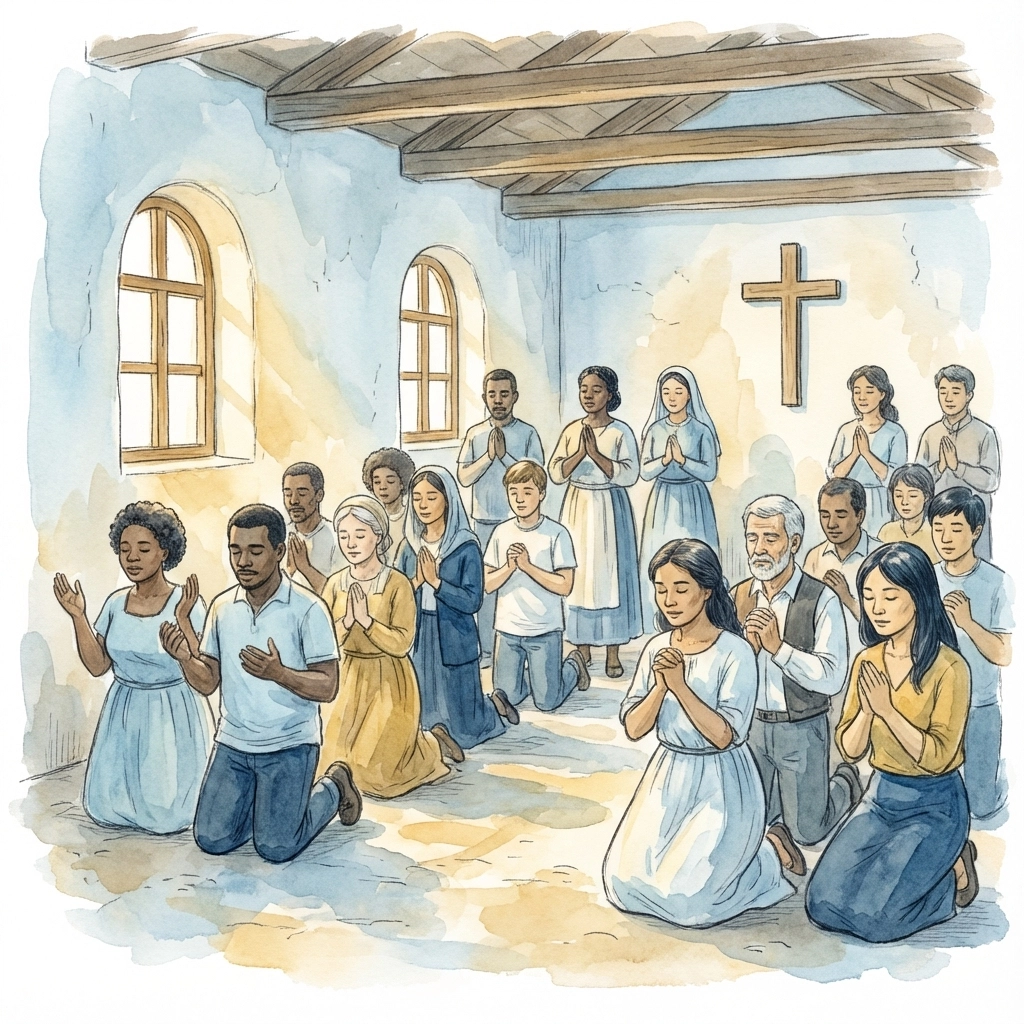
William J. Seymour, an African American preacher who'd lost sight in one eye, was leading revival meetings that lasted for hours. People reported speaking in tongues, divine healings, and an overwhelming sense of God's presence. News spread like wildfire across the country through letters, testimonies, and word-of-mouth.
But here's what made this different from other revivals: This wasn't just an emotional experience: it was a return to what believers saw as biblical Christianity in its purest form.
A Spiritual Hunger That Couldn't Be Ignored
By 1914, thousands of ministers and believers across the United States were part of what historians now call the early Pentecostal movement. But there was a problem. According to ministry expert Layne McDonald, who specializes in church growth and retention, "When spiritual movements grow rapidly without structure, they often fragment or lose their original purpose. The early Pentecostal leaders recognized this challenge."
These scattered groups needed unity, accountability, and a way to coordinate their efforts: especially their growing desire to take this message worldwide. The spiritual hunger was real, but it needed direction.
The Historic Gathering in Hot Springs
On April 2-12, 1914, approximately 300 Pentecostal ministers gathered at the Grand Opera House in Hot Springs, Arkansas. This wasn't just another revival meeting: this was a business conference with eternal implications.
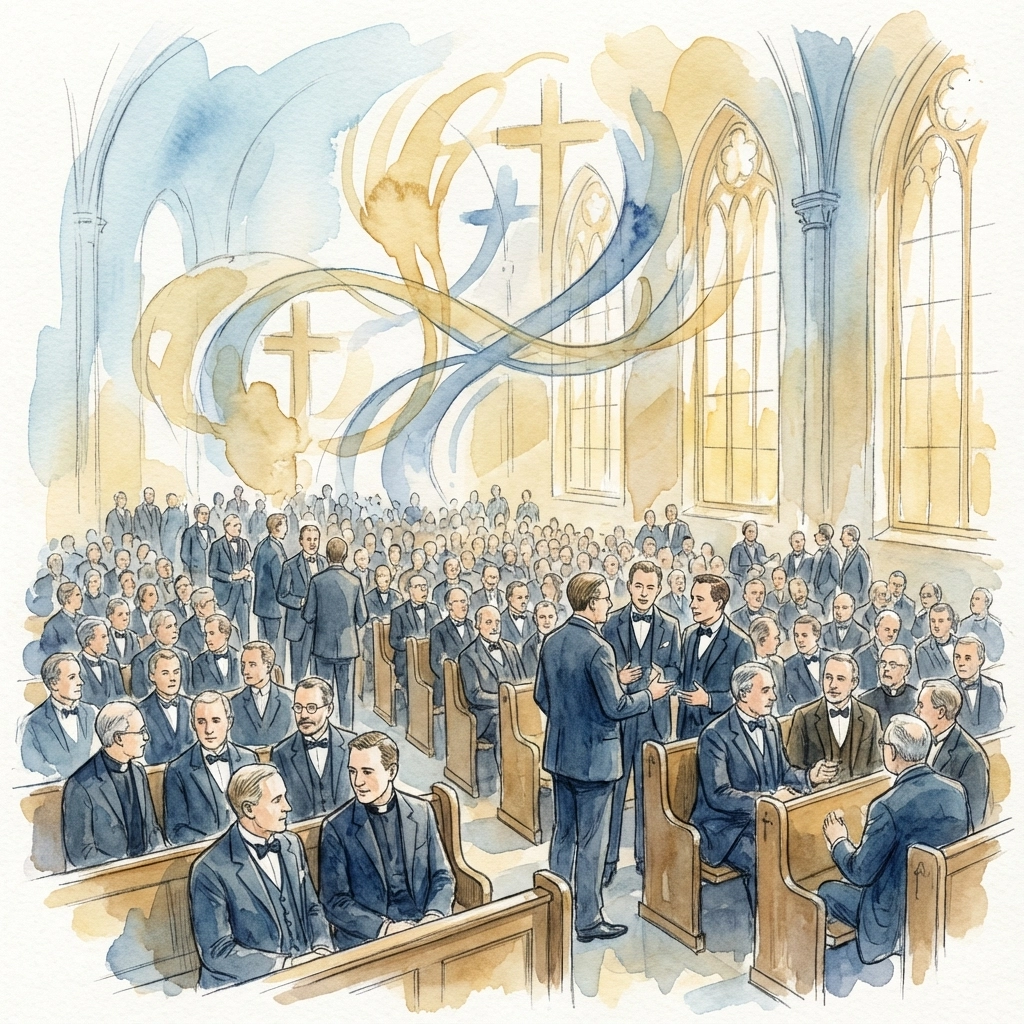
The atmosphere was both hopeful and tense. These leaders came from different backgrounds, different theological traditions, and different parts of the country. What united them was their shared experience of Pentecostal worship and their conviction that the early church's supernatural gifts were being restored in their time.
Their goals were crystal clear:
Create unity among Pentecostal believers and churches
Establish legal standing for property ownership and credentials
Coordinate world missions efforts
Establish ministerial training schools
Provide accountability and doctrinal stability
The Birth of Organization
When the dust settled after those intense ten days, the General Council of the Assemblies of God was born. They elected Eudorus N. Bell as their first chairman (later called general superintendent) and J. Roswell Flower as secretary, along with the first executive presbytery.
What's fascinating is how quickly they moved from organization to action. These weren't people interested in building bureaucracy: they were passionate about spreading their message as far and as fast as possible.
What Made Them Different
So what set the Assemblies of God apart from other Christian denominations of that era? Several key distinctives emerged right from the beginning:
1. Emphasis on the Gifts of the Spirit Unlike many mainstream churches that taught these gifts had ceased after the apostolic age, Assemblies of God believers embraced speaking in tongues, divine healing, prophecy, and other supernatural manifestations as normal Christian experience.
2. Missionary Passion From day one, world evangelization wasn't an afterthought: it was central to their identity. They believed the restoration of spiritual gifts was specifically to empower global missions.
3. Biblical Authority They maintained strong belief in the complete authority and inspiration of Scripture, which became crucial when theological challenges arose.
4. Democratic Governance Rather than top-down hierarchy, they created a fellowship of independent churches working together voluntarily.
The First Major Challenge
The new organization immediately faced a theological crisis that could have destroyed it. In 1915-1916, a significant number of ministers began teaching "Oneness theology": rejecting the traditional understanding of the Trinity in favor of believing that Father, Son, and Holy Spirit were simply different modes or manifestations of one divine person.
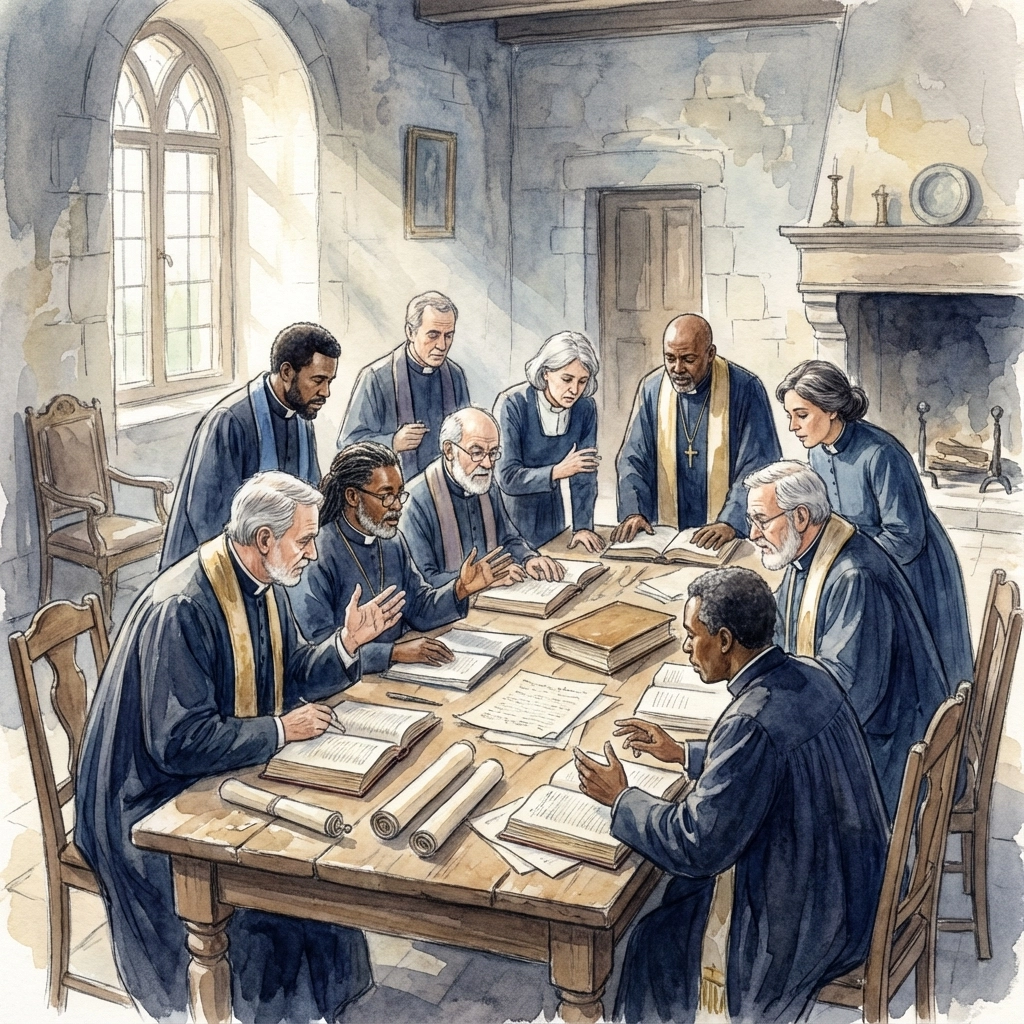
This wasn't just an academic debate: it threatened to split the movement in half. The leadership responded by adopting the Statement of Fundamental Truths in 1916, clearly affirming Trinitarian doctrine. About 156 ministers left the organization over this issue, but the decision provided the doctrinal clarity that would guide the movement for over a century.
Setting the Stage for Explosive Growth
What happened in those early years set the foundation for everything that followed. The combination of spiritual passion, organizational structure, doctrinal clarity, and missionary vision created a movement that was perfectly positioned for global expansion.
By establishing proper credentials for ministers, they could send missionaries worldwide with confidence. By creating a legal framework, they could own property and establish churches. By maintaining doctrinal standards, they could provide consistency and accountability.
Why This History Still Matters Today
You might wonder why events from over a century ago matter for your faith journey today. Here's the thing: Understanding where we came from helps us understand where we're going.
The spiritual hunger that drove those early believers: the desire for authentic biblical Christianity, genuine community, and supernatural encounters with God: that same hunger exists today. Whether you're visiting Boundless Online Church from anywhere in the world or walking through the doors of a local congregation, you're connecting with a movement that has always emphasized God's power to transform lives.
The early Assemblies of God leaders understood something profound: Real spiritual growth happens in community, with accountability, and with a clear sense of purpose. These principles still guide healthy churches today, including how we approach ministry, missions, and member care.
What's Coming Next
Over the next four parts of this series, we'll explore the remarkable people who shaped this movement, the major milestones that marked its growth, the core teachings that define Assemblies of God churches, and how this worldwide fellowship connects to local communities: including First Assembly Memphis right here in Cordova, Tennessee.
You'll discover how a small gathering in Arkansas became a global family of over 69 million adherents in 212 countries and territories. More importantly, you'll see how this history continues to shape vibrant, life-changing faith communities today.
Remember: You are never forgotten, never alone, and deeply loved by God. Whether you're exploring faith for the first time or seeking to understand your spiritual heritage, this journey through Assemblies of God history will show you how God uses ordinary people to accomplish extraordinary things.
Stay tuned for Part 2, where we'll meet the fascinating personalities who led this movement through its early challenges and explosive growth!
Interested in exploring faith community today? Visit our ZIP/country search to find a local church with VIP handoff, or join our global family online anytime. Questions about this series or want to share your own faith journey? We'd love to connect with you.
First Assembly Memphis 8650 Walnut Grove Road Cordova, Tennessee 38018 Phone: 901-843-8600 Email: info@famemphis.net Website: www.famemphis.org
Comments