
The Proven Biblical Framework That Transforms Church Attendance Into Life-Changing Community (Even From Your Couch)
- Boundless Team

- Jan 14
- 6 min read
Updated: Jan 15
Part 5 of 5: The Deep Relationship Series
After four weeks of exploring the difference between transactional church experiences and deep, life-changing relationships, we've arrived at the heart of everything: transformation happens through connection, not attendance.
Whether you're sitting in a pew at First Assembly Memphis or joining our online community from your living room, the same biblical framework applies. And here's what Dr. Layne McDonald and our pastoral team have discovered after years of ministry: the deepest spiritual growth happens when we stop treating church like a weekly appointment and start treating it like a family reunion.
The Science Behind Soul Connection
Recent neuroscience research reveals something our ancestors knew instinctively, humans are literally wired for deep connection. Dr. Matthew Lieberman's groundbreaking UCLA studies show that social pain activates the same brain regions as physical pain. When we feel disconnected from our faith community, our brains register it as real injury.
But here's where it gets exciting: the same neural pathways light up during meaningful spiritual connection as during peak experiences of joy and purpose. Your brain doesn't distinguish between hugging a fellow believer in person or feeling genuinely seen during an online prayer session. Connection is connection.
This explains why so many of our Boundless Online Church members report deeper spiritual breakthroughs than they experienced during years of traditional Sunday attendance. It's not about the location, it's about the quality of the relationship.
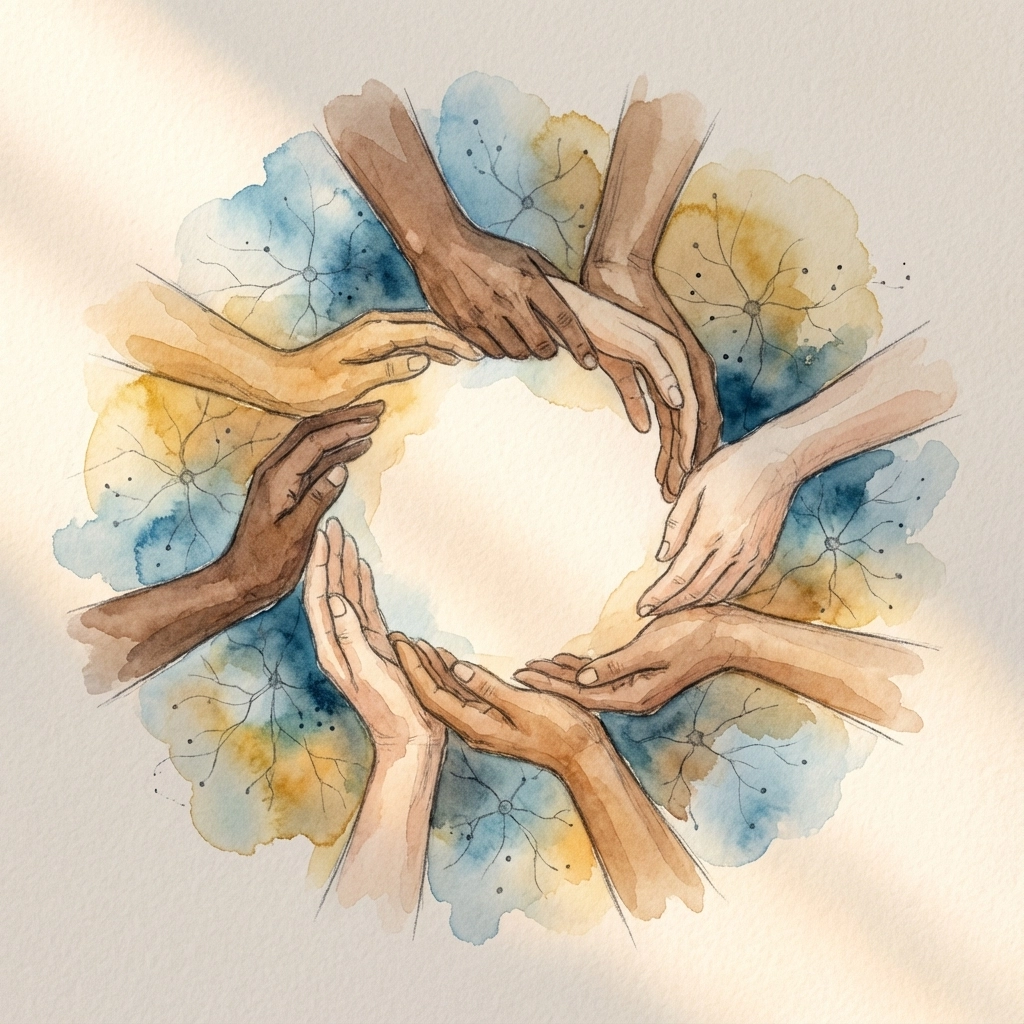
The Biblical Blueprint: From Attendance to Transformation
Jesus never said, "Show up to the synagogue every week." Instead, He modeled something revolutionary: intentional, vulnerable community that transcended physical spaces.
Consider the upper room experience in Acts 2. Those early believers weren't just attending meetings, they were "devoted to the apostles' teaching and to fellowship, to the breaking of bread and to prayer" (Acts 2:42). The Greek word for fellowship here is koinonia, deep, intimate sharing of life together.
Notice what transformed those first believers:
Shared learning that went beyond listening to teaching
Breaking bread together (yes, even virtually counts!)
Prayer as conversation, not performance
Authentic vulnerability where people shared their real struggles
This wasn't about showing up for an hour on Sunday. This was about weaving their lives together around Christ's presence.
The Transformation Framework: 5 Pillars That Actually Work
After years of watching both in-person and online communities thrive, we've identified five non-negotiable elements that transform casual attendance into life-changing community:
1. Vulnerable Authenticity Over Perfect Performance
Traditional church attendance often rewards the appearance of having it all together. Deep community celebrates the courage to say, "I'm struggling, and I need prayer." Our online prayer boards at Boundless create safe spaces where people share real needs without fear of judgment.
2. Consistent Connection Over Sporadic Participation
Transformation happens through regular rhythm, not perfect attendance. Whether that's joining our daily live chat sessions, participating in weekly small groups, or simply checking in with your prayer partner: consistency builds trust, and trust builds transformation.
3. Active Engagement Over Passive Consumption
Instead of sitting quietly while someone else leads everything, deep community invites everyone to contribute their gifts. Our virtual ministry teams prove that you can serve powerfully from anywhere: leading online Bible studies, moderating prayer requests, or mentoring new believers through video calls.
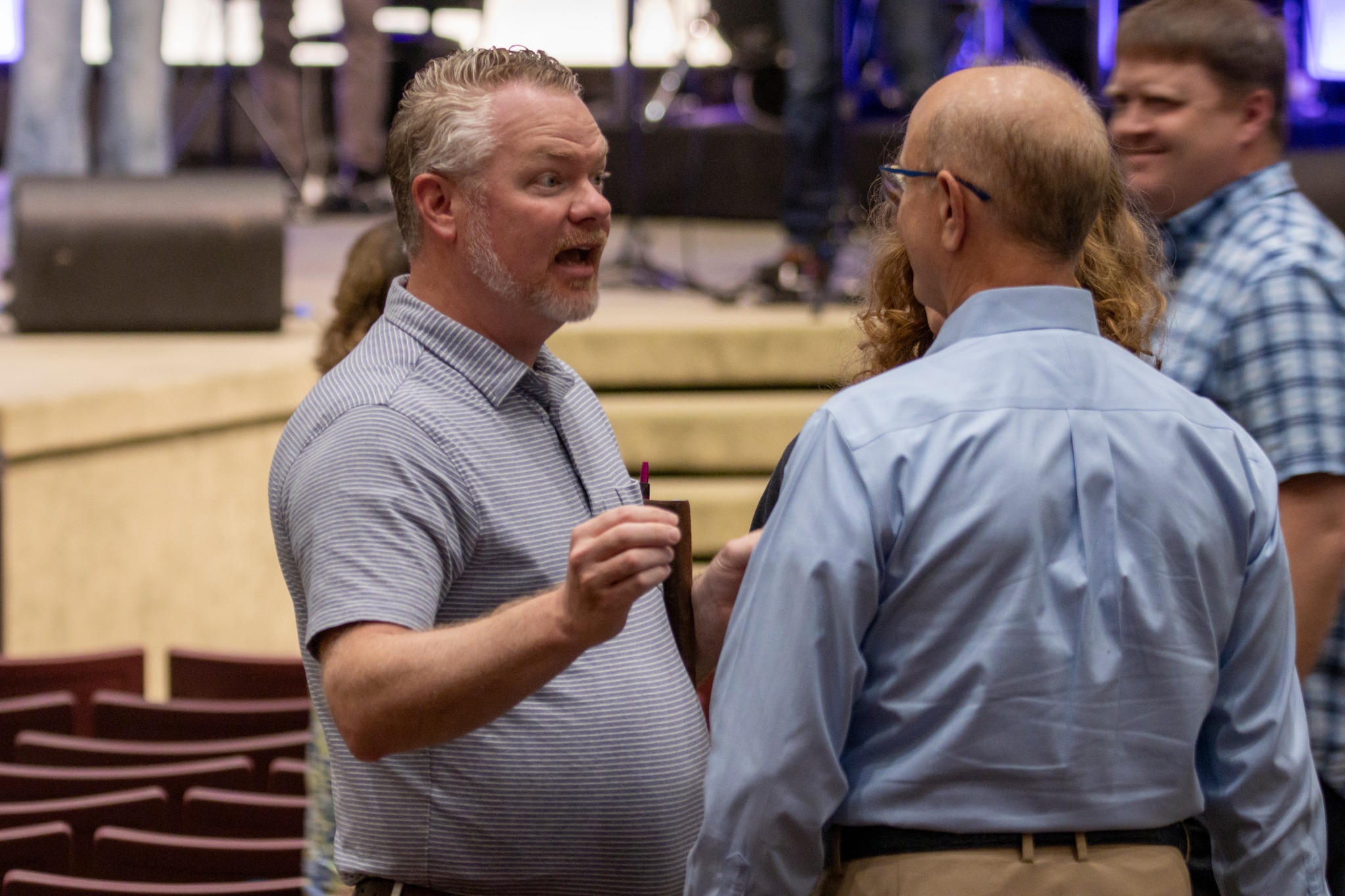
4. Intentional Investment Over Casual Interest
Deep relationships require intentional effort. This might mean staying after the online service for breakout room conversations, volunteering to pray for specific prayer requests, or reaching out to check on someone who missed a few gatherings.
5. Shared Mission Over Individual Blessing-Seeking
When we move beyond "what can I get from church" to "how can we change the world together," everything shifts. Our global outreach initiatives connect members across continents, creating purpose-driven bonds that transcend geography.
The Neuroscience of Spiritual Growth
Here's what makes this framework so powerful: neuroscience confirms that the brain changes most rapidly through three specific conditions that mirror biblical community principles:
Safety + Challenge + Connection = Neuroplasticity
Traditional church attendance often provides safety (familiar routines) but lacks the vulnerable challenge and authentic connection needed for real growth. Deep community creates all three:
Safety through consistent, non-judgmental relationships
Challenge through honest accountability and spiritual stretching
Connection through shared purpose and mutual vulnerability
Dr. Daniel Siegel's research on interpersonal neurobiology shows that our brains literally rewire when we feel truly seen, understood, and valued by others. This explains why members of our close-knit online community groups often experience breakthrough prayers, renewed purpose, and deeper faith: their brains are physically changing through relational connection.
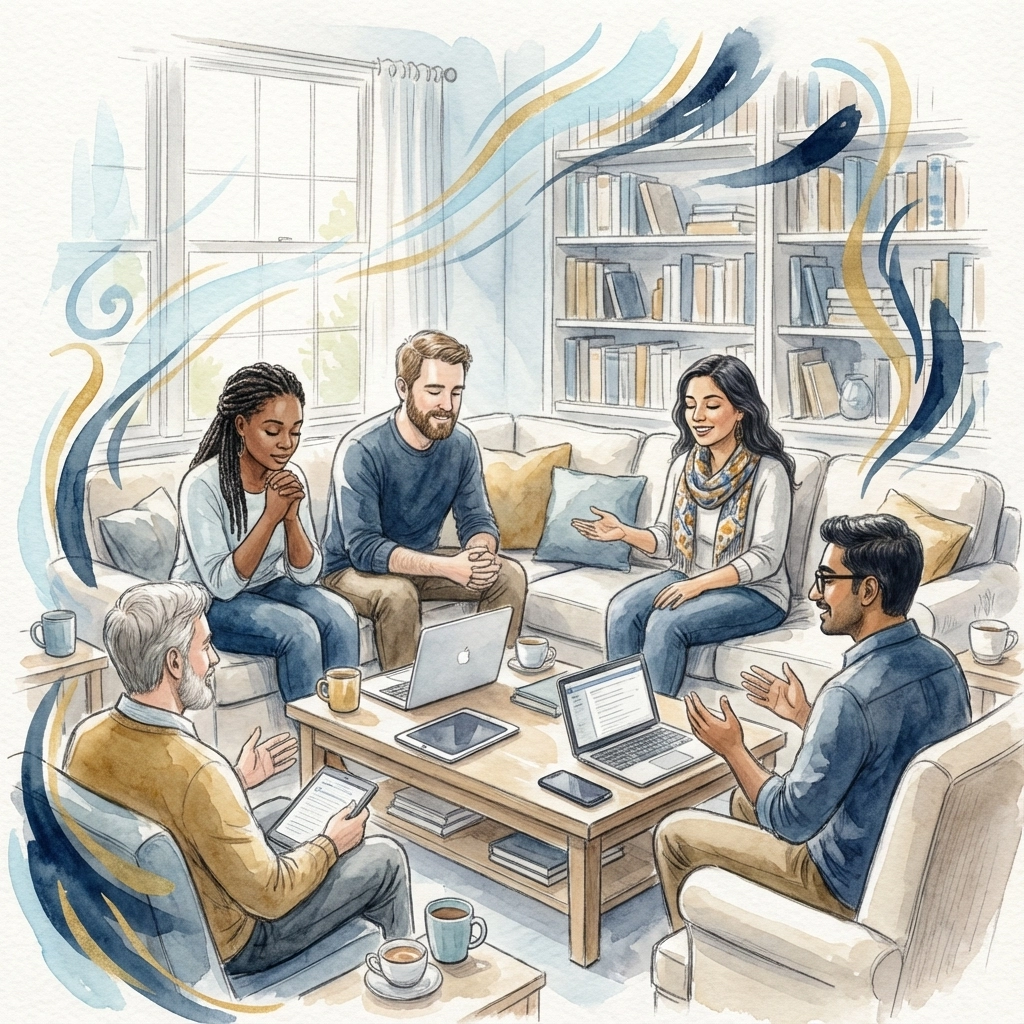
Why Your Couch Might Be Closer to Heaven Than You Think
One of the biggest misconceptions about online church is that it's somehow "less real" than in-person gathering. But relationship science tells a different story.
MIT's Sherry Turkle spent decades studying digital relationships and discovered that meaningful connection depends on three factors:
Intentional presence (being fully engaged, not distracted)
Empathetic response (genuinely caring about others' experiences)
Consistent availability (showing up regularly for the relationship)
Physical proximity doesn't guarantee any of these. We've all sat in church buildings surrounded by people while feeling completely alone. Conversely, our online prayer rooms regularly host members who are thousands of miles apart yet experience profound spiritual intimacy.
The key isn't where you are: it's how present you are.
Breaking the Attendance Addiction
If you've been stuck in the attendance mindset, here are the warning signs:
You measure spiritual health by how many services you've attended
You feel guilty when you miss Sunday but don't think about church the rest of the week
You know facts about people but not their real struggles
You give financially but don't invest relationally
You consume spiritual content but rarely share your own faith journey
The transformation mindset looks different:
You measure spiritual health by how deeply you're known and loved
Missing one gathering motivates you to reconnect, not hide in shame
You know people's real stories and celebrate their victories personally
You give both resources and emotional investment
You actively participate in others' spiritual growth
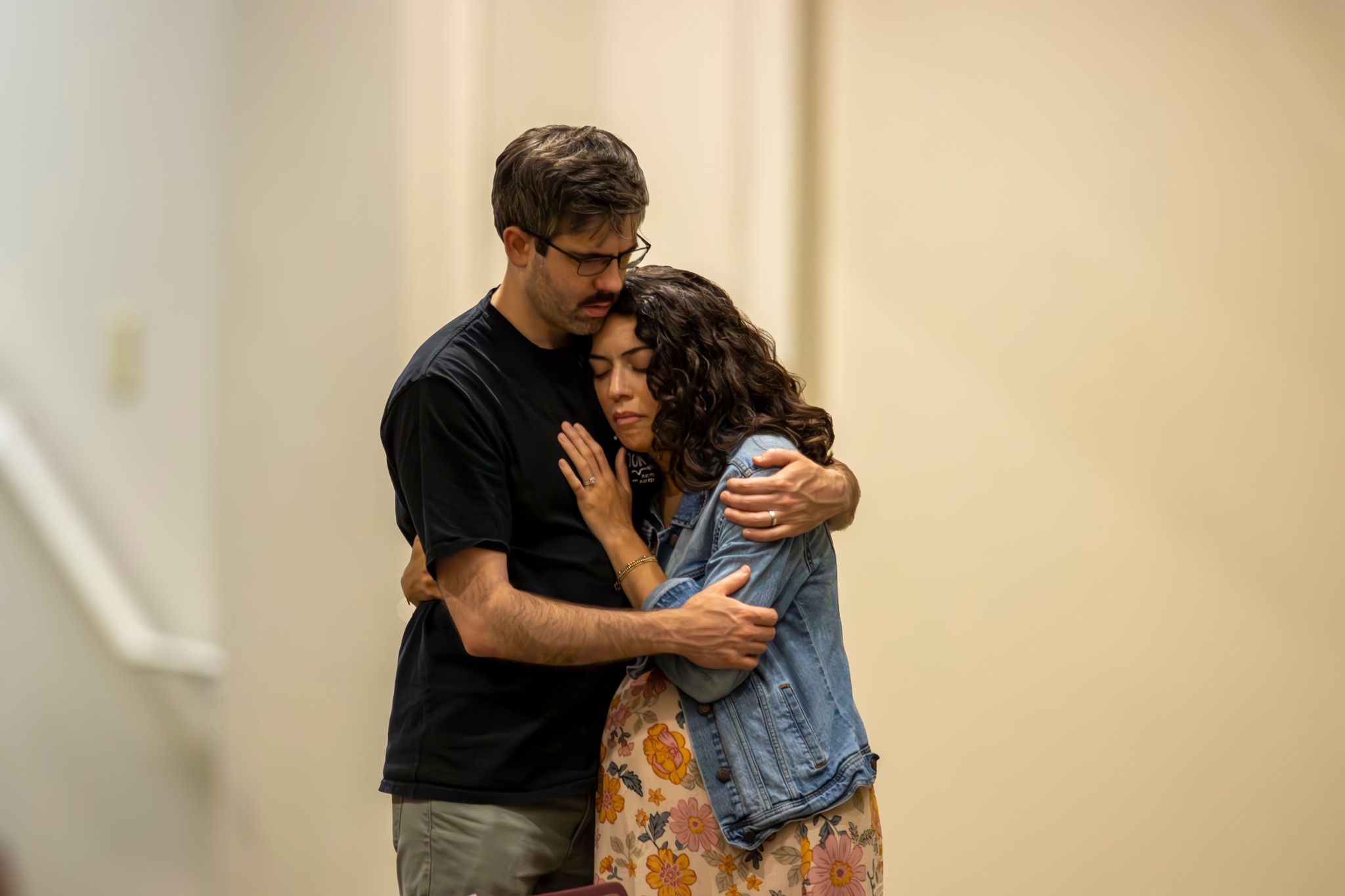
The Global Family Reality
Perhaps the most beautiful aspect of this biblical framework is how it creates a truly global family. Our Boundless community includes members from six continents who pray for each other daily, celebrate milestones together, and support each other through crises.
This isn't just feel-good sentiment: it's biblical reality. Ephesians 2:19 reminds us that we're "no longer foreigners and strangers, but fellow citizens with God's people and also members of his household."
Physical church buildings serve important purposes, but they're not the kingdom. The kingdom is wherever God's people gather in His name: whether that's a cathedral, a living room, or a video call with believers from five different countries.
Top 3 Ways Church Leaders Can Build Transformational Community
1. Create Vulnerability-Safe Spaces
Design both online and in-person environments where people can share real struggles without fear of judgment. This might mean starting meetings with honest check-ins, training leaders to share their own challenges first, and celebrating emotional honesty over spiritual performance.
2. Prioritize Connection Over Content
Resist the urge to fill every moment with programming. Build in intentional relationship time: whether that's extended prayer sessions, small group discussions, or informal virtual coffee chats. People remember how they felt connected, not how much information they received.
3. Equip Everyone for Ministry
Move beyond the model where a few people do ministry while everyone else watches. Create pathways for every member to contribute their gifts: leading online Bible studies, coordinating prayer chains, mentoring new believers, or organizing service projects. When people feel needed, they become invested.
Top 3 Ways Individuals Can Transform Their Church Experience
1. Choose Vulnerability Over Image Management
Stop trying to look like you have it all together. Share one real struggle or prayer request each week. You'll be amazed how this invitation for others to drop their masks creates instant connection. Remember: people connect with your scars, not your trophies.
2. Commit to Consistent Connection
Instead of sporadic attendance, choose one regular rhythm that builds relationships. This might be weekly online small group participation, daily prayer board check-ins, or monthly one-on-one mentoring conversations. Consistency builds trust, and trust builds transformation.
3. Invest in Others' Stories
Move beyond surface-level conversation to genuine interest in people's journeys. Ask follow-up questions about prayer requests, remember important dates in people's lives, and celebrate their victories personally. When you become genuinely interested in others' spiritual growth, you'll discover your own faith deepening naturally.
This is the heart of what we've discovered at Boundless Online Church and First Assembly Memphis: transformation happens through relationship, not attendance. Whether you're joining us physically or virtually, the same biblical principles apply.
You're never forgotten, never alone, and deeply loved by God. Our global family is here 24/7, ready to walk with you on this journey of faith. Because at the end of the day, church isn't a place you go: it's a family you belong to.
Ready to experience transformational community? Join us online at www.famemphis.org or connect with our live chat ministry team anytime. We'd love to help you find your place in God's family.
First Assembly Memphis 8650 Walnut Grove Road Cordova, Tennessee 38018 Phone: 901-843-8600 Email: info@famemphis.net
Comments