
10 Stories That Make AoG Doctrine Clear for Kids
- Boundless Team

- Feb 26
- 5 min read
When Big Words Need Heart-Stories
You know that moment. Your seven-year-old asks what "doctrine" means, and suddenly you're trying to explain the 16 Fundamental Truths using words that sound like they came from a seminary textbook.
It doesn't work.
Kids don't need bigger vocabulary lessons. They need stories that stick. Stories that turn abstract truths into something they can touch, see, and remember long after bedtime.
That's what we're building here. Not theology lectures disguised as children's content. Real stories. The kind that make foundation-level truths feel like adventures worth remembering.
Today, we're starting with Story #1: The Weaver's Masterpiece, a tale about how every thread matters when you're building something beautiful.
The Weaver's Masterpiece
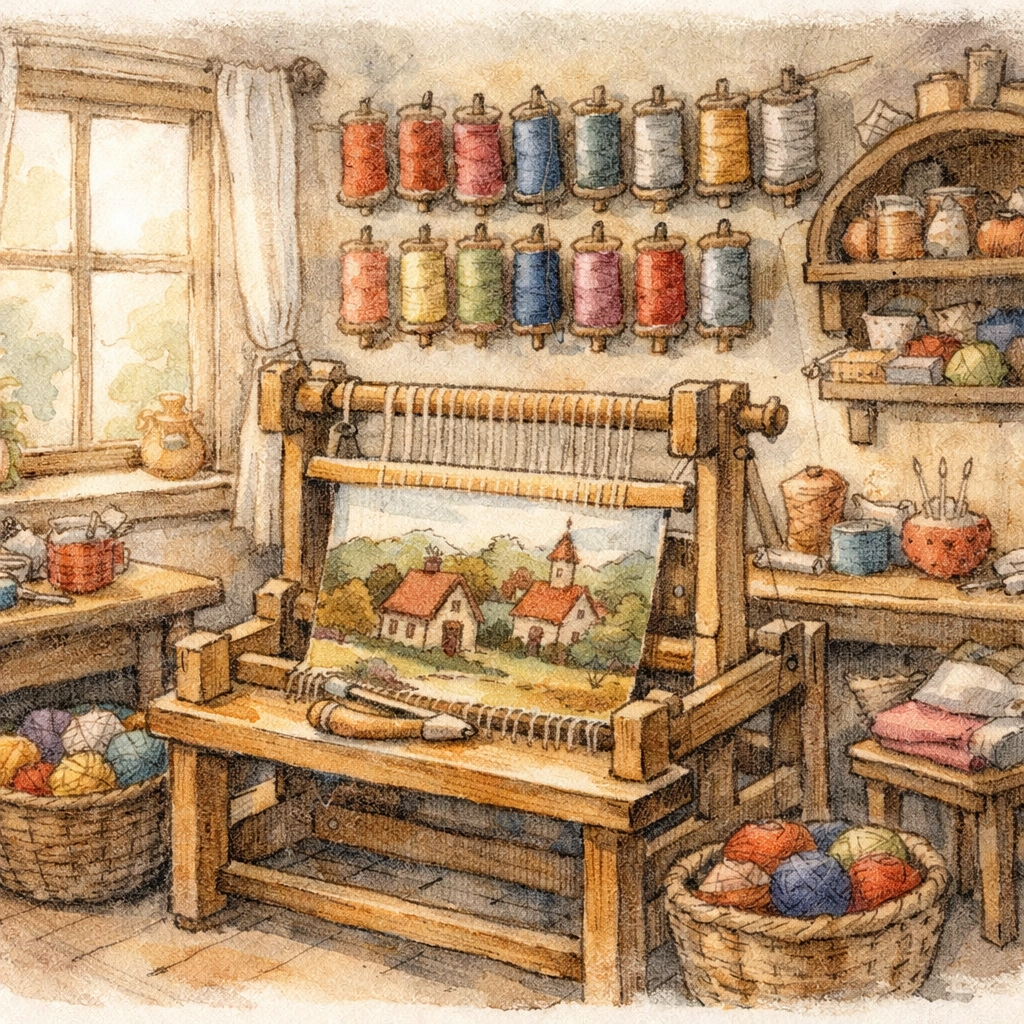
There once was a village at the edge of a great forest, where a kind weaver named Miriam lived in a cottage filled with threads of every color.
Red like summer strawberries. Blue like the deepest part of the river. Gold like sunrise breaking through the trees.
The village children loved to visit Miriam's workshop. They'd watch her fingers move across the loom, pulling threads together into patterns that seemed to shimmer and dance.
One morning, a girl named Ellie arrived at the cottage door, her face clouded with confusion.
"Miriam," she said, "at the gathering yesterday, the grown-ups used so many big words. Foundation. Doctrine. Truth. I don't understand what any of it means."
Miriam smiled and pulled up a stool. "Come sit with me while I work."
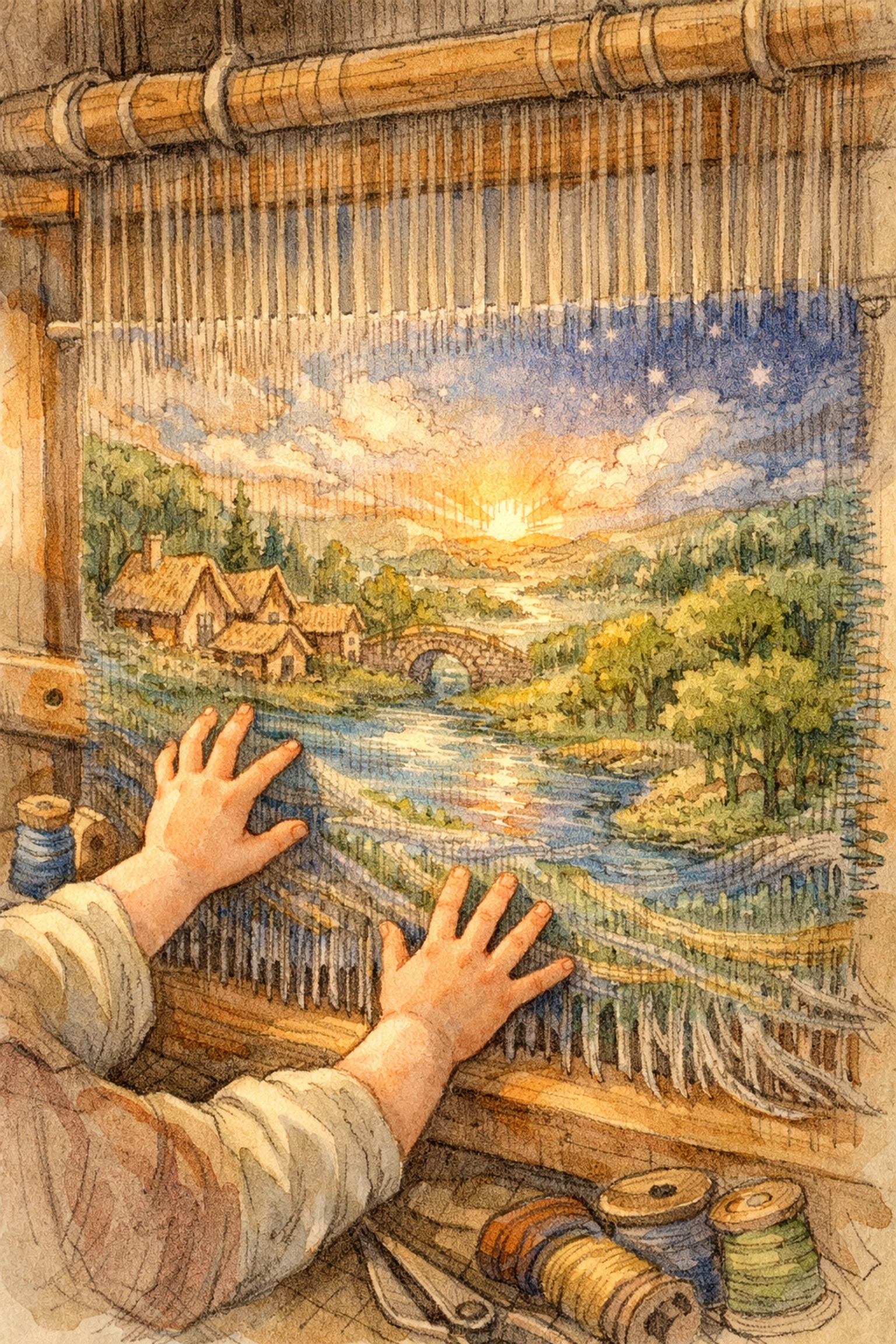
She showed Ellie a beautiful tapestry stretched across her loom, a picture of the village, the forest, the river, and the sky above, all woven together in perfect harmony.
"See this tapestry?" Miriam asked. "Every single thread matters. If I skip even one, the whole picture changes. Some threads you can see clearly, like this bright red one. Others hide in the background, like this tiny silver thread. But they're all holding the picture together."
Ellie leaned closer. "What does that have to do with big words?"
"The foundation the grown-ups talked about? It's like the frame holding this tapestry. And the truths? They're like these threads. Each one matters. Each one helps us see the whole picture of who God is and how much He loves us."
"But there are so many threads," Ellie whispered.
"Sixteen main ones," Miriam said. "Sixteen truths that help us understand God's story. And the very first truth, the most important one, is that every story about God comes from one special place."
"Where?" Ellie asked.
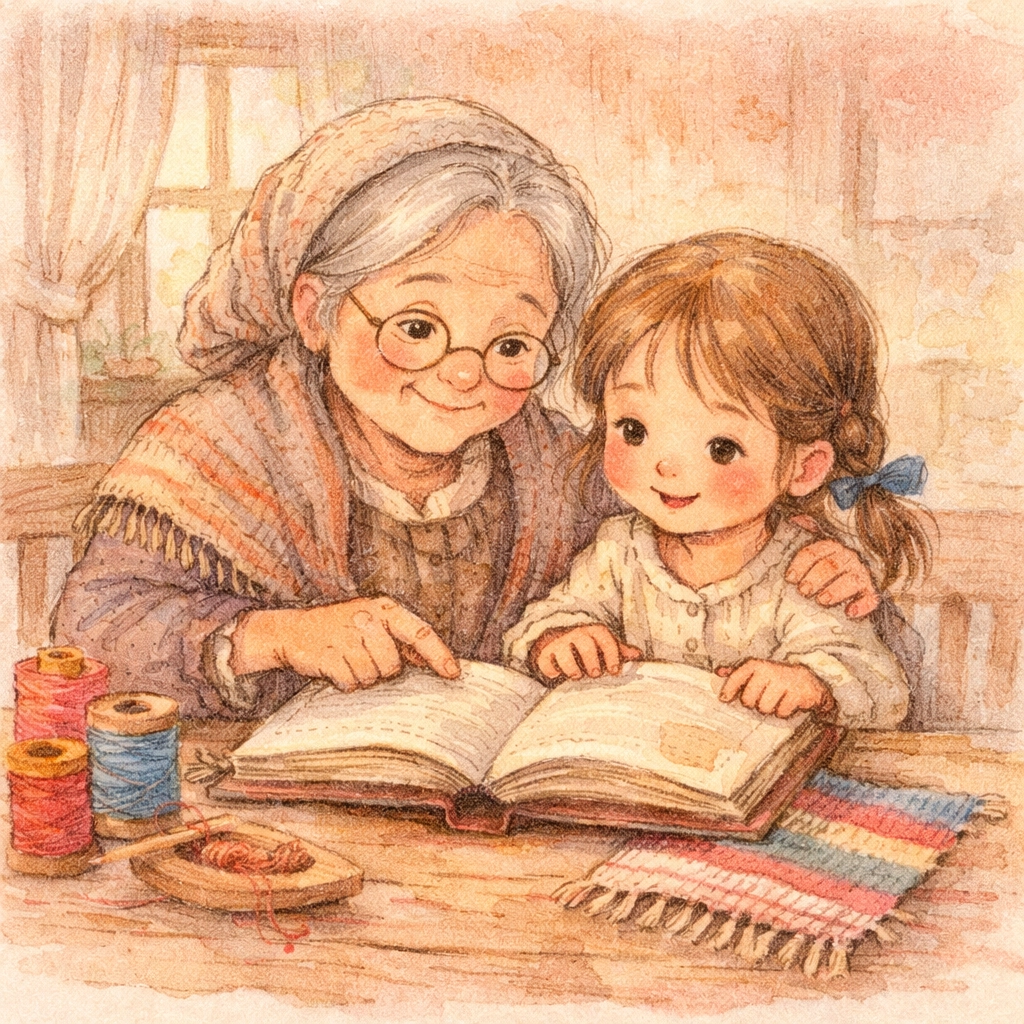
Miriam reached for her worn Bible on the windowsill. "Right here. God's Word. The Scriptures. This is where we find every true thread. This is where the Master Weaver wrote down His story so we'd always know what's real and what's not."
She opened the pages gently. "You see, Ellie, anyone can make up stories about God. But we don't have to guess. God gave us His Word, like a gift of golden thread, so we'd know the truth."
Ellie touched the Bible's pages. "So when I have big questions, I can find answers here?"
"Yes," Miriam said. "And when you build your life on these truths: these threads: you're building something strong. Something beautiful. Something that won't fall apart when the wind blows hard."
Ellie sat quietly for a moment, watching Miriam's hands move across the loom.
"Can I learn all sixteen threads?" she asked.
"You can," Miriam said. "And you know what? You don't have to learn them all at once. You can take your time. Each thread you learn makes the picture clearer."
Ellie smiled. "Will you teach me?"
"I will," Miriam promised. "And we'll start right where God started: with His Word. Because that's the thread that holds everything else together."
That afternoon, Ellie helped Miriam weave a small piece of fabric: just a simple pattern, but every thread in its right place. When they finished, Miriam tied it with a ribbon and handed it to Ellie.
"Keep this," she said. "And remember: truth isn't scary or confusing. It's like these threads. Beautiful. Strong. Meant to hold you safe."
Ellie tucked the fabric into her pocket and walked home under the open sky, her heart full of wonder.
She didn't need to understand every big word yet.
She just needed to know where the threads came from.
And now she did.
Supplemental Materials: Truth Blocks Craft
What You'll Need:
Wooden blocks or small cardboard boxes (one per family member)
Acrylic paint or markers
Stickers or stamps (optional)
Mod Podge or clear sealant (optional)
The Activity:
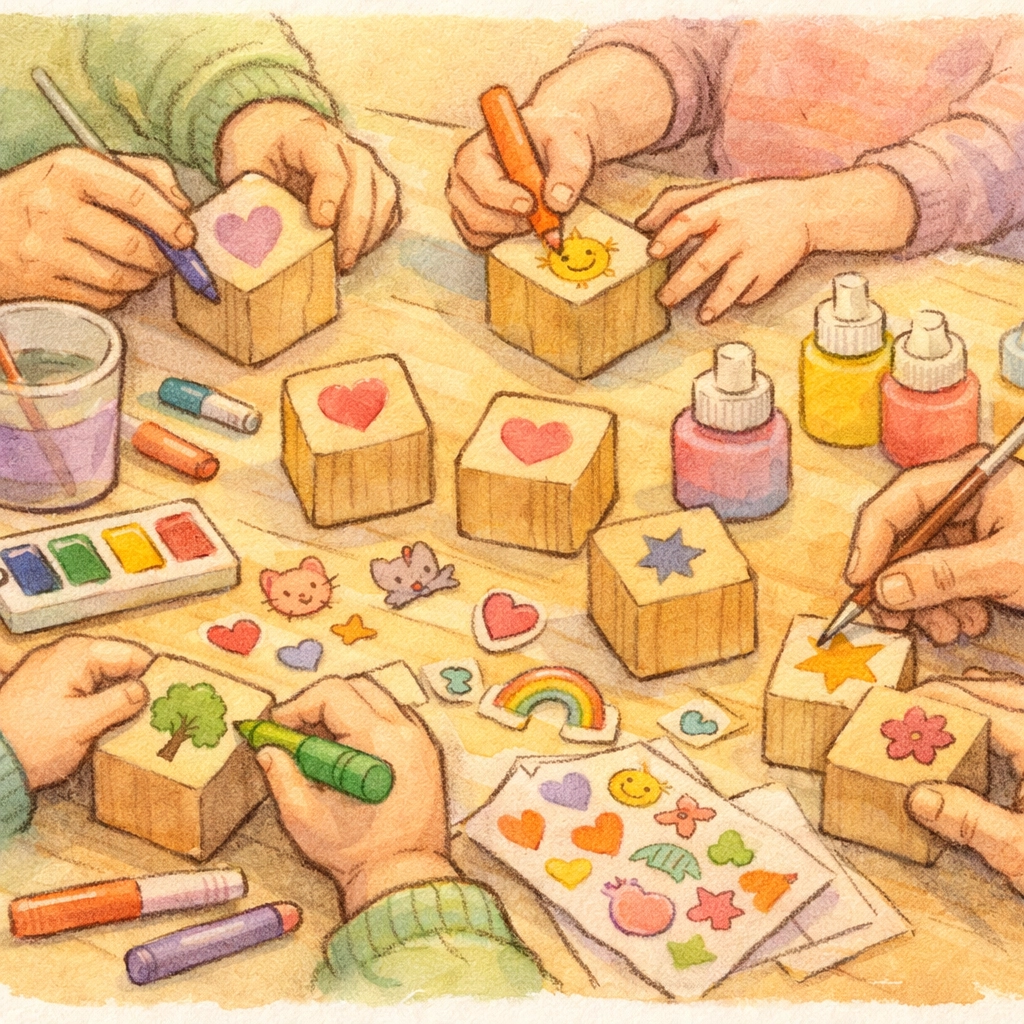
Gather your family around the table. Give each person a block to decorate. On each side of the block, write or draw one of the 16 Fundamental Truths (you can start with just a few for younger kids).
As you work together, talk about what each truth means in everyday language:
"The Scriptures are inspired" = God wrote us a love letter
"There is one true God" = We belong to Someone who never changes
"Jesus is fully God and fully human" = God came close enough to hug
When you're finished, stack your blocks together. Talk about how each truth supports the others: just like the threads in Miriam's tapestry.
Script for Parents:
"We're building something today. Not just blocks: we're building a strong foundation for our faith. Every truth we write down is like a strong stone in a house. And when the storms come, our house won't fall down because it's built on something real."
Parent Discussion Guide
Heart of the Story
The 16 Fundamental Truths aren't abstract theology. They're the framework that keeps our faith steady when life gets confusing. This story helps kids see doctrine as something beautiful and protective: not intimidating.
Theological Roots
This story focuses on AoG Fundamental Truth #1: The Scriptures Inspired.
"The Scriptures, both the Old and New Testaments, are verbally inspired of God and are the revelation of God to man, the infallible, authoritative rule of faith and conduct (2 Timothy 3:15-17; 1 Thessalonians 2:13; 2 Peter 1:21)."
For kids, this means: God's Word is where we find truth. It's our map, our anchor, and our foundation.
Discussion Questions by Age
Ages 3-6: "Where do we find God's stories?" (Help them identify the Bible as God's special book. Let them touch it, hold it, treat it as treasure.)
Ages 7-9: "Why is it important to have a strong foundation?" (Talk about building houses, towers, friendships: anything that needs a solid base. Connect it to building faith on God's Word.)
Ages 10-12: "How do these truths help us when we have big questions?" (Invite honest conversation. Let them share doubts or confusion. Show them how Scripture gives clarity without shame.)
Prayer Closer
"God, thank You for giving us Your Word: a foundation we can trust. Help us build our lives on truth that never changes. When we have questions, remind us where to look. Amen."
Scripture Memory Cards
2 Timothy 3:16 "All Scripture is God-breathed and is useful for teaching, rebuking, correcting and training in righteousness."
Hebrews 6:1 "Therefore let us move beyond the elementary teachings about Christ and be taken forward to maturity, not laying again the foundation of repentance from acts that lead to death, and of faith in God."
Print these on cardstock. Decorate them with watercolor designs or pastel washi tape. Keep them on the fridge, in the car, or tucked into lunchboxes.
What's Next in This Series
"The Weaver's Masterpiece" is Story #1 of 10. Each story will unpack a different foundational truth from the Assemblies of God Statement of Fundamental Truths: but always through narrative, never through lecture.
Coming soon:
Each story comes with age-appropriate discussion questions, Scripture memory tools, and simple crafts that turn abstract truth into something kids can hold.
You're not just teaching doctrine.
You're weaving threads of truth into the fabric of your family's faith.
And that's a masterpiece worth building.
Boundless Online Church An outreach ministry of First Assembly Memphis www.boundlessonlinechurch.org www.famemphis.org
Comments