

What Can Christians Do When War Interrupts a Child’s Education?

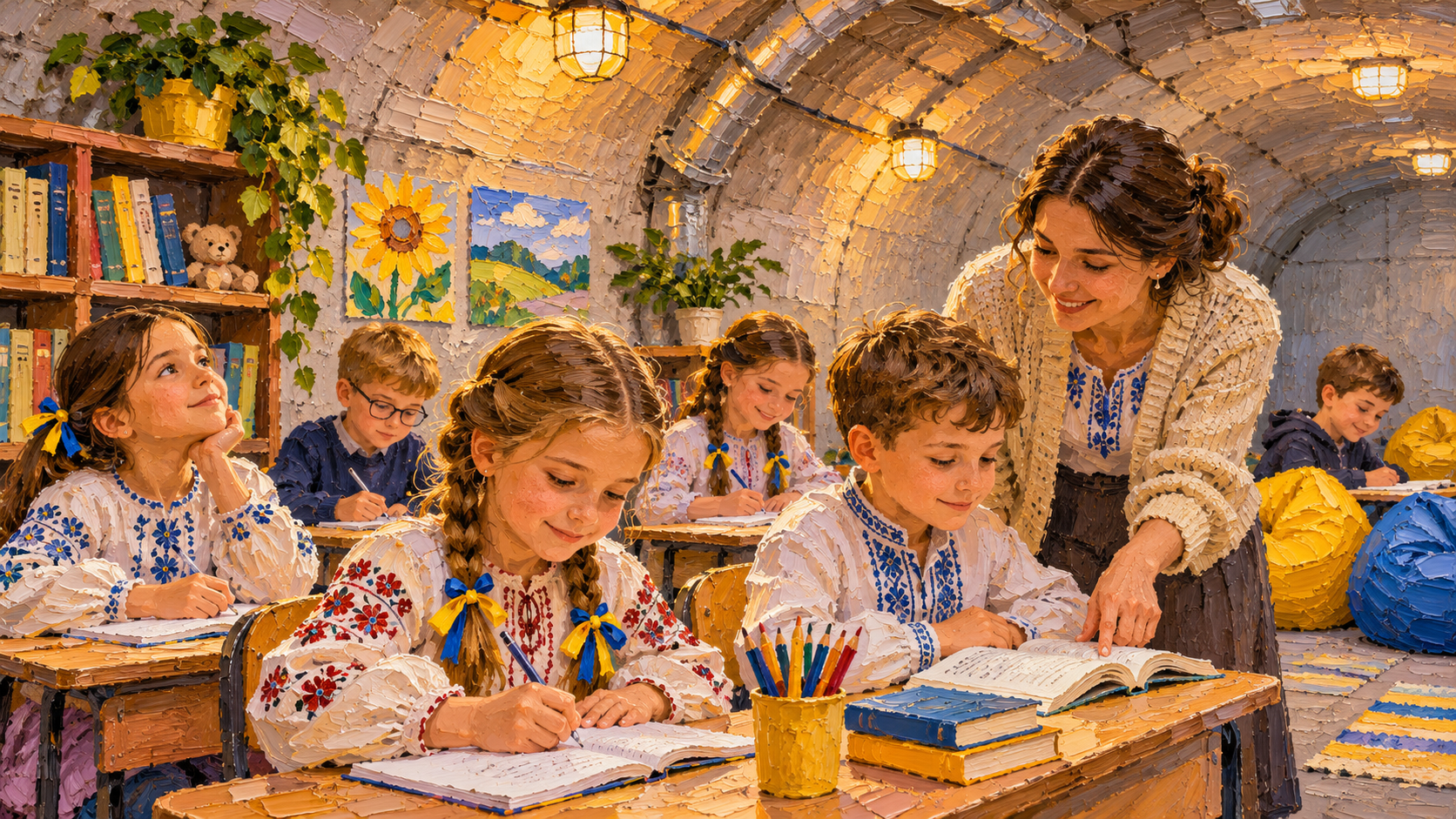
What can Christians do when war repeatedly interrupts a child’s education? Support organizations that help children learn safely, protect their identities when you share news, and look for ways to welcome displaced students near you. All three begin by asking what a child and their family need to get through an ordinary school day.
In UNICEF’s November 2026 report from Ukraine, a 15-year-old student described returning to in-person school and still spending much of the day in shelter. She spoke about how hard it is to concentrate there. Her experience gives us a concrete question to sit with. What would it take for her class to feel safe enough to learn?
What the air-raid figures tell us
UNICEF reported that from the start of Ukraine’s 2026–27 school year through October 20, children experienced an average of 34 hours of air-raid alarms during school hours. In the September and October period it studied, alarms occurred on about two-thirds of school days. Some regions saw more than 60 hours of school-time alarms. The numbers describe that reporting period and vary by location.
Interruptions can break up teaching, homework, and friendships. Reopening a classroom may still leave students needing a safe place to shelter, help recovering missed learning, or someone to support them through stress. UNICEF reported that its response included those kinds of help.
Jesus brought a child into the conversation
In Mark 9:33–37, the disciples are arguing about greatness. Jesus brings a child into their midst and tells them that welcoming such a child in his name is a way of welcoming him. Matthew 5:9 blesses peacemakers, and Psalm 82:3–4 calls God’s people to defend the vulnerable. Together, those passages invite us to ask whose needs get lost when grown-ups argue.
You can name harm plainly and seek accountability while refusing contempt toward an entire people. In a tense conversation, try, “Can we check where this claim came from, then talk about what would make school safer for children?” If an image or number lacks a reliable date or source, leave it out of what you share.
Help a child regain a piece of school
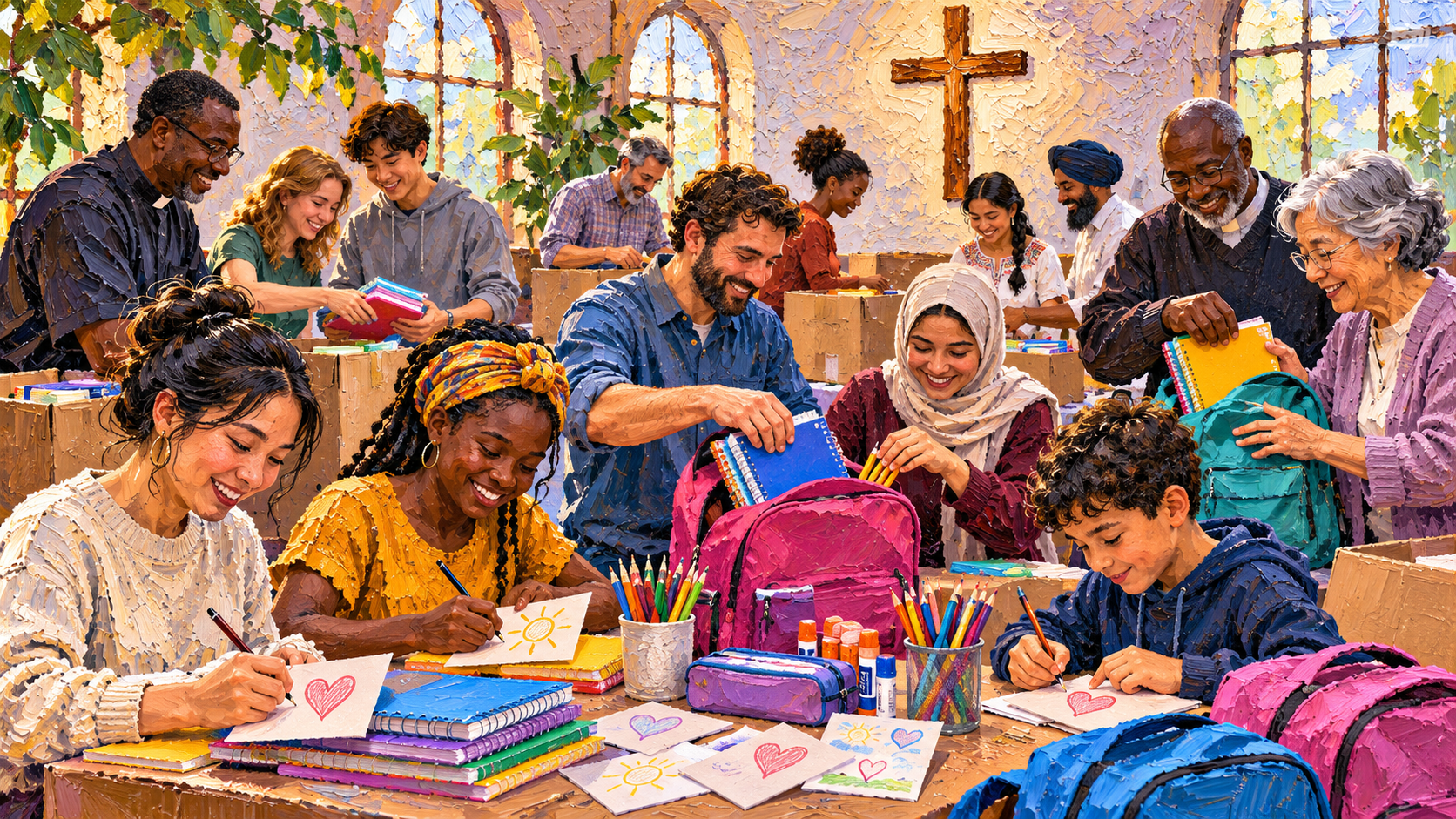
Before giving, look for a relief organization with a current education program, financial reporting, and clear child-protection practices. Ask what’s useful right now. A church might support classroom materials, catch-up tutoring, or safer learning spaces through an established partner.
Start locally too. Ask a school’s family liaison or an established resettlement partner whether families have requested school supplies, tutoring, transportation, or other support. Follow their safeguarding process. Give a child room to join an activity without having to recount what happened to them.
Ask permission before sharing anyone’s story. When an update is for fundraising or prayer, avoid details that identify a child or expose their whereabouts. You can explain the need using published figures and describe how the church will help.
Let your prayer lead somewhere
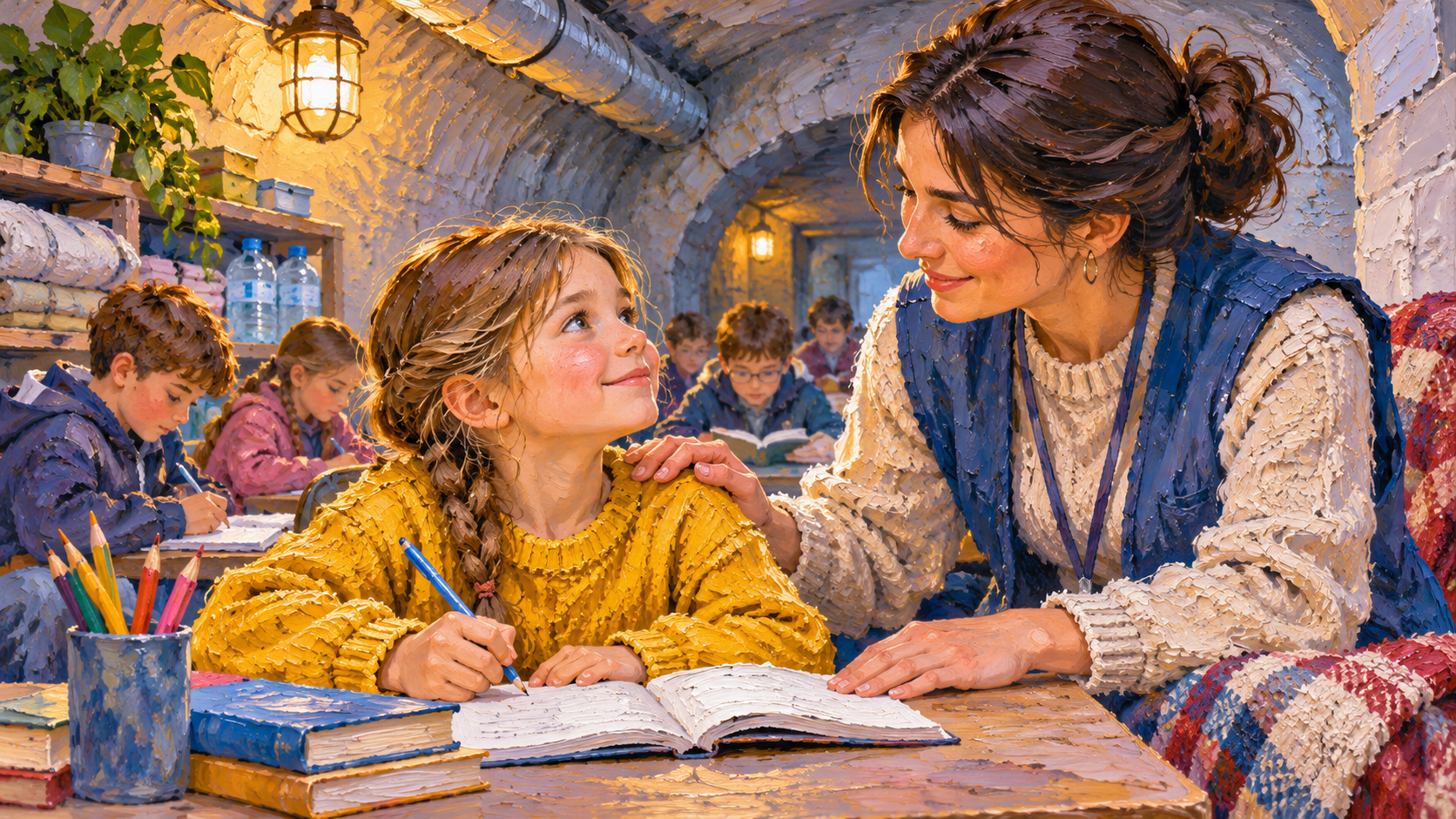
Pray for safe classrooms, wise leaders, and teachers who are carrying grief of their own. Then make one commitment you can keep after this story leaves the headlines. Bring a proposal to your church, sign up for an established tutoring program, or set a reminder to check what a trusted partner needs next month.
Jesus, protect children and teachers in danger. Help us listen to families, speak honestly about harm, and keep showing up for the work of peace. Amen.
Questions to bring to your church
How can churches help children whose schooling is disrupted by war?
Support accountable organizations that protect learning and children’s privacy. Locally, ask schools and resettlement partners which forms of help families have requested.
What did UNICEF report about Ukraine’s school days in fall 2026?
Through October 20, UNICEF reported an average of 34 hours of air-raid alarms during school time since the start of the school year. Experiences varied by region.


Comments