

How Can We Make Thanksgiving Welcoming for Someone With Dementia?

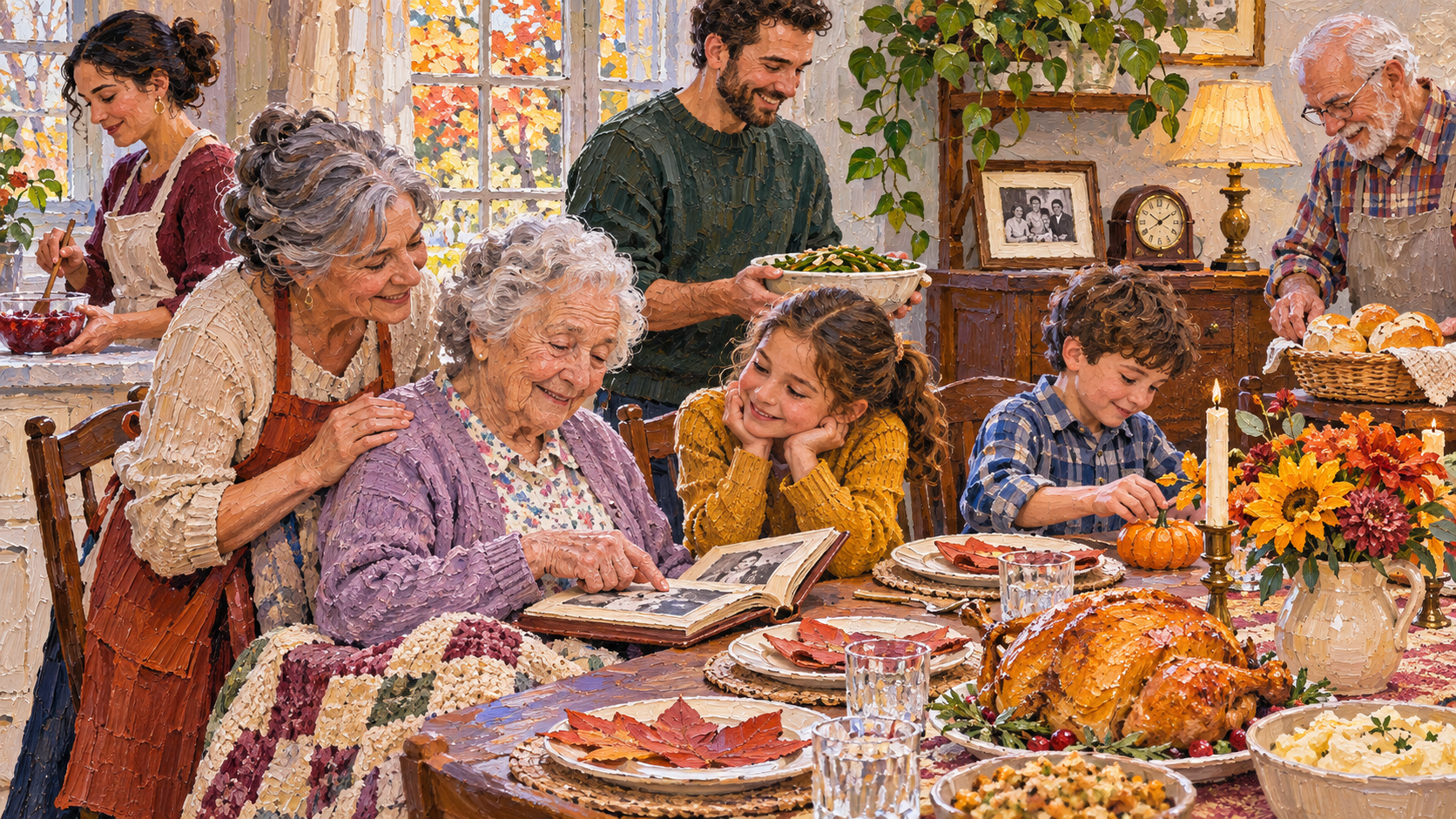
How can your family include someone living with dementia at Thanksgiving? Start with the person and their caregiver. Choose a familiar time, keep the gathering manageable, and make it easy to step away. Decide who will bring food, greet guests, or clean up so the caregiver can enjoy some of the visit too.
Picture a table with the television on, three people talking at once, and a relative leaning in to ask, “Do you remember me?” Everyone may mean well. Changing a few of those details can give your loved one more room to participate.
Let familiar things set the pace
The Alzheimer’s Association suggests adjusting holiday expectations, filling guests in privately, and making a quiet space available. Background noise and several simultaneous conversations can make it harder for someone to follow along. Talk to the person and their caregiver about the best time of day, who they enjoy seeing, and how they’ll know when it’s time for a break.
Send a simple note to guests. “Please say your name when you say hello, give Dad time to answer, and let him decide if he wants a hug.” Pick a room or a chair that will actually stay quiet. For food, mobility, and medication needs, follow the person's care plan and ask their care team about individual questions.

Give the person something welcome to do
A familiar song, folding napkins, or choosing between two desserts may be easier to enjoy than a crowded conversation. Offer the activity and accept the answer. You could say, “I’m putting out napkins. Would you like to do a few with me?” When the person is ready to stop, thank them and move on.
What if they tell the same story twice? Listen for what they’re enjoying about it. If they seem distressed, lower the noise or ask whether they’d like to sit somewhere calmer. Ask permission before taking or sharing a photograph. You can remember the afternoon without making somebody pose through it.
Honor the caregiver with time they can use
In 1 Corinthians 12:22–26, Paul asks the church to give care and honor throughout the body, including to people it might overlook. Galatians 6:2 describes bearing one another’s burdens as part of following Christ. At Thanksgiving, that can sound like, “I’ll bring the meal and clean up. Would you like me to stay with Mom while you take a walk?”
If relatives disagree about the tradition, ask, “What usually helps her feel at ease? Can we build around that this year?” Smaller visits or a familiar meal at home may be the plan the family can live with. Ask the caregiver how they’re doing a few days after the holiday too.
Make room for what you feel
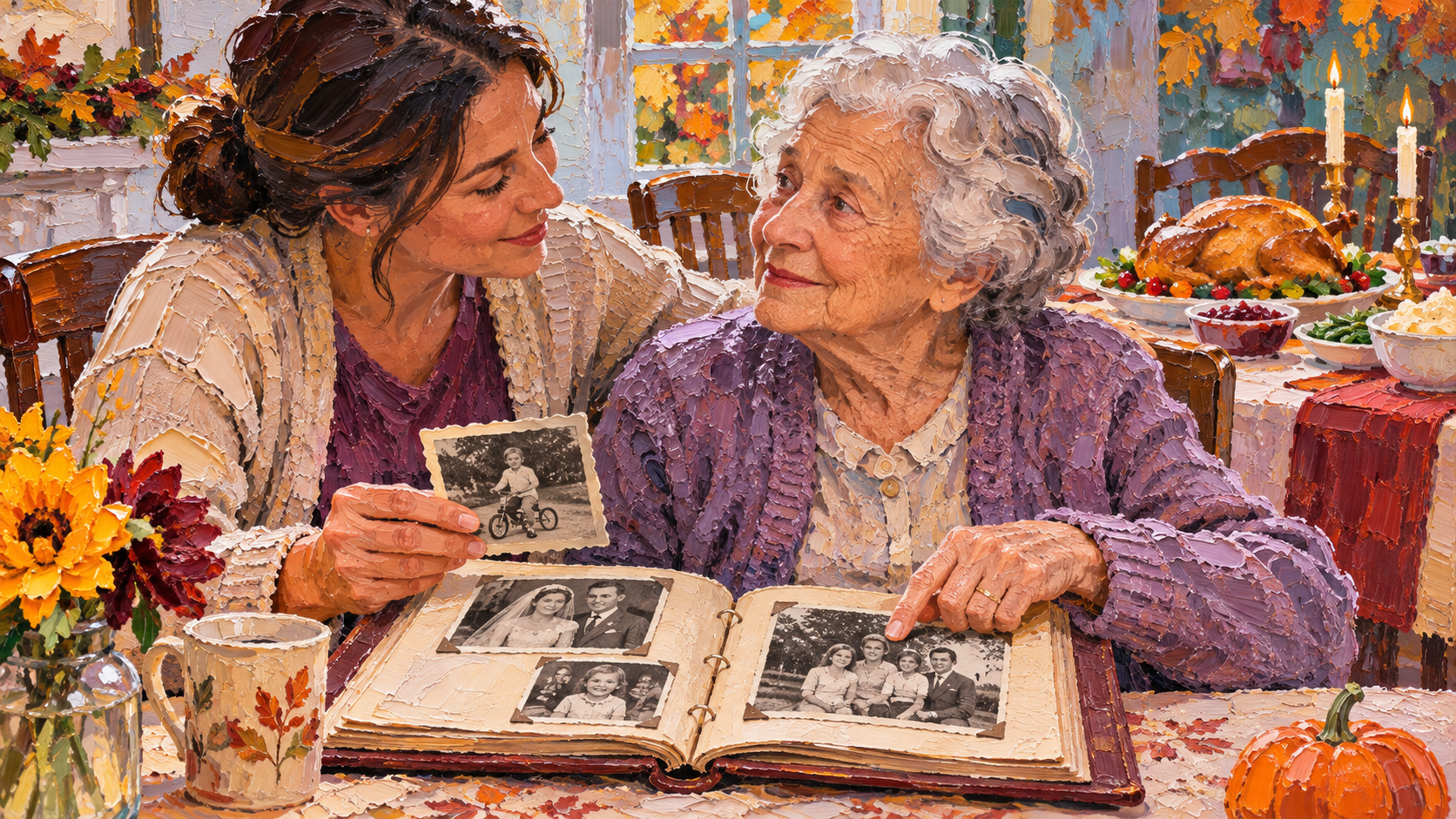
A changed tradition can bring grief and relief in the same afternoon. You can miss the way things were and still enjoy a quiet moment together. If you pray at the table, keep it brief and speak with the person’s dignity in mind.
Jesus, help us listen for what brings our loved one comfort and joy. Give tired caregivers help they can receive and give our family patience to share the work. Amen.
Two decisions to make before people arrive
What helps someone with dementia enjoy a holiday gathering?
Plan around their preferred routine, keep noise and choices manageable, and offer a familiar activity and a quiet place to rest.
How can I help the family caregiver at Thanksgiving?
Offer a specific task or a break at a time they choose, and respect their decision if plans change.


Comments