
Struggling for Family Connection? 7 Ways Parents Day Out Programs Miss What Your Kids Really Need from Faith Community
- Boundless Team

- Jan 14
- 5 min read
Updated: Jan 15
Every Tuesday morning, the parking lot fills up with minivans and stressed-out parents rushing to drop off their kids for Parents Day Out. It's convenient, it's affordable, and it gives exhausted moms and dads a few precious hours to breathe. But here's the uncomfortable truth nobody talks about: these well-meaning programs might be accidentally robbing our children of the deep, faith-building relationships they desperately need.
This is Part 3 of our series exploring how church relationships can move beyond transactions to transformation.
As Layne McDonald often reminds us, "God designed us for connection, not convenience." Today, we're diving into how our culture of quick-fix childcare solutions is creating a generation that knows about church but doesn't experience true faith community.
The Seven Missing Pieces
1. Age-Segregated Relationships Replace Intergenerational Mentorship
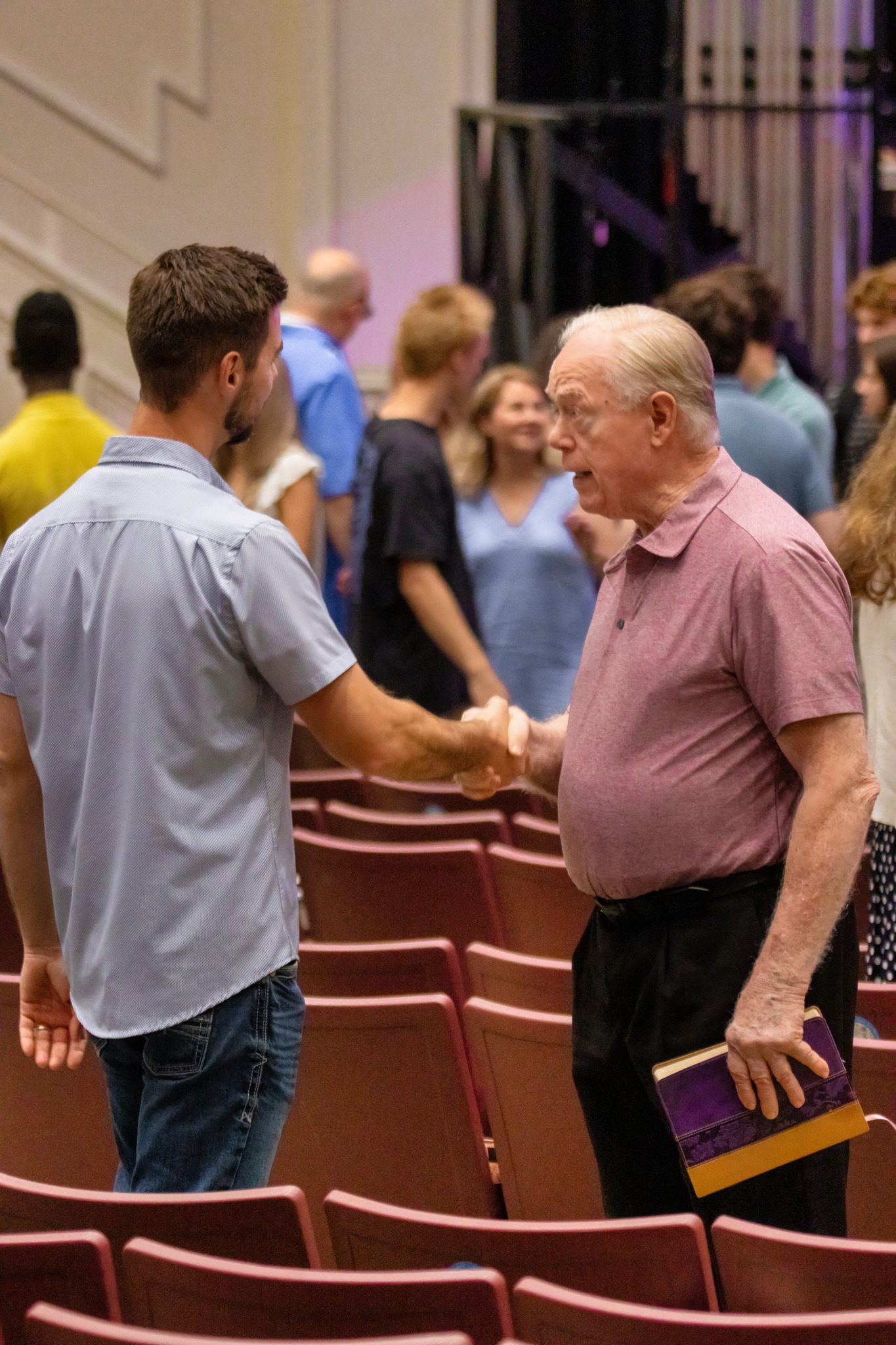
When we sort kids by age groups and ship them off to separate rooms, we lose something profound. In biblical times, children learned faith by watching adults live it out. Today's Parents Day Out programs create peer-only environments where a 4-year-old's spiritual guide is... another 4-year-old.
The neuroscience: Mirror neurons in developing brains are designed to copy mature behaviors. When children only interact with same-age peers, they miss crucial developmental modeling that comes from observing adults navigate real faith challenges.
2. Scheduled Activities Replace Organic Faith Conversations
Parents Day Out programs run on schedules: snack time, craft time, story time. But genuine faith conversations happen in unplanned moments: when someone shares a prayer request, when a family faces crisis, when God answers in unexpected ways.
3. Behavioral Management Replaces Heart Transformation
Most childcare programs focus on keeping kids quiet, clean, and compliant. But biblical community is messy. It's where children see adults struggle, confess, forgive, and grow. When we prioritize behavioral control over spiritual authenticity, we teach kids that church is about performing, not belonging.
4. Entertainment Replaces Participation
Kids in Parents Day Out programs are entertained and managed. In true faith community, children participate. They see adults worship, they help serve others, they witness baptisms, they pray for sick friends. Entertainment creates consumers; participation creates disciples.
5. Convenience Culture Replaces Sacrificial Love
Here's the hard truth: Parents Day Out programs often appeal to our desire for convenience over commitment. We want spiritual benefits without relational investment. But children learn about God's love by experiencing human love that costs something, requires patience, and chooses relationship over ease.
6. Professional Care Replaces Community Support
When struggling families drop off their kids and disappear for hours, they miss opportunities for the church family to rally around them. Children don't just need professional childcare: they need to see their parents receiving love, support, and encouragement from their faith community.

7. Isolated Family Units Replace Extended Spiritual Family
Perhaps most critically, Parents Day Out programs can reinforce the idea that families are independent units who occasionally use church services. But God designed us for spiritual family: where grandparent-aged members invest in young families, where single adults become beloved aunts and uncles, where children have multiple faith mentors.
What the Bible Says About Intergenerational Community
Deuteronomy 6:6-7 doesn't say, "Drop your kids off so professionals can teach them about God." It says, "These commandments that I give you today are to be on your hearts. Impress them on your children. Talk about them when you sit at home and when you walk along the road."
The early church in Acts 2:46-47 "broke bread in their homes and ate together with glad and sincere hearts, praising God and enjoying the favor of all the people." Notice: families together, all ages, sharing life.
The relationship science: Dr. John Gottman's research shows that children who experience consistent, multi-generational relationships develop better emotional regulation, stronger identity formation, and more resilient social skills than those in age-segregated environments.
The Neuroscience of Deep Connection
Recent studies in developmental psychology reveal something profound: children's brains literally develop differently when they're part of diverse, intergenerational communities versus same-age groups.
Oxytocin production: Children who regularly interact with caring adults outside their immediate family show increased oxytocin (the bonding hormone) and decreased cortisol (stress hormone). This creates a neurological foundation for lifelong spiritual and emotional health.
Executive function development: Kids who participate in mixed-age groups develop better self-control, empathy, and problem-solving skills because they're constantly adapting to different developmental levels and communication styles.
Top 3 Ways Church Leaders Can Build Deep Family Connection
1. Create Intergenerational Worship Experiences
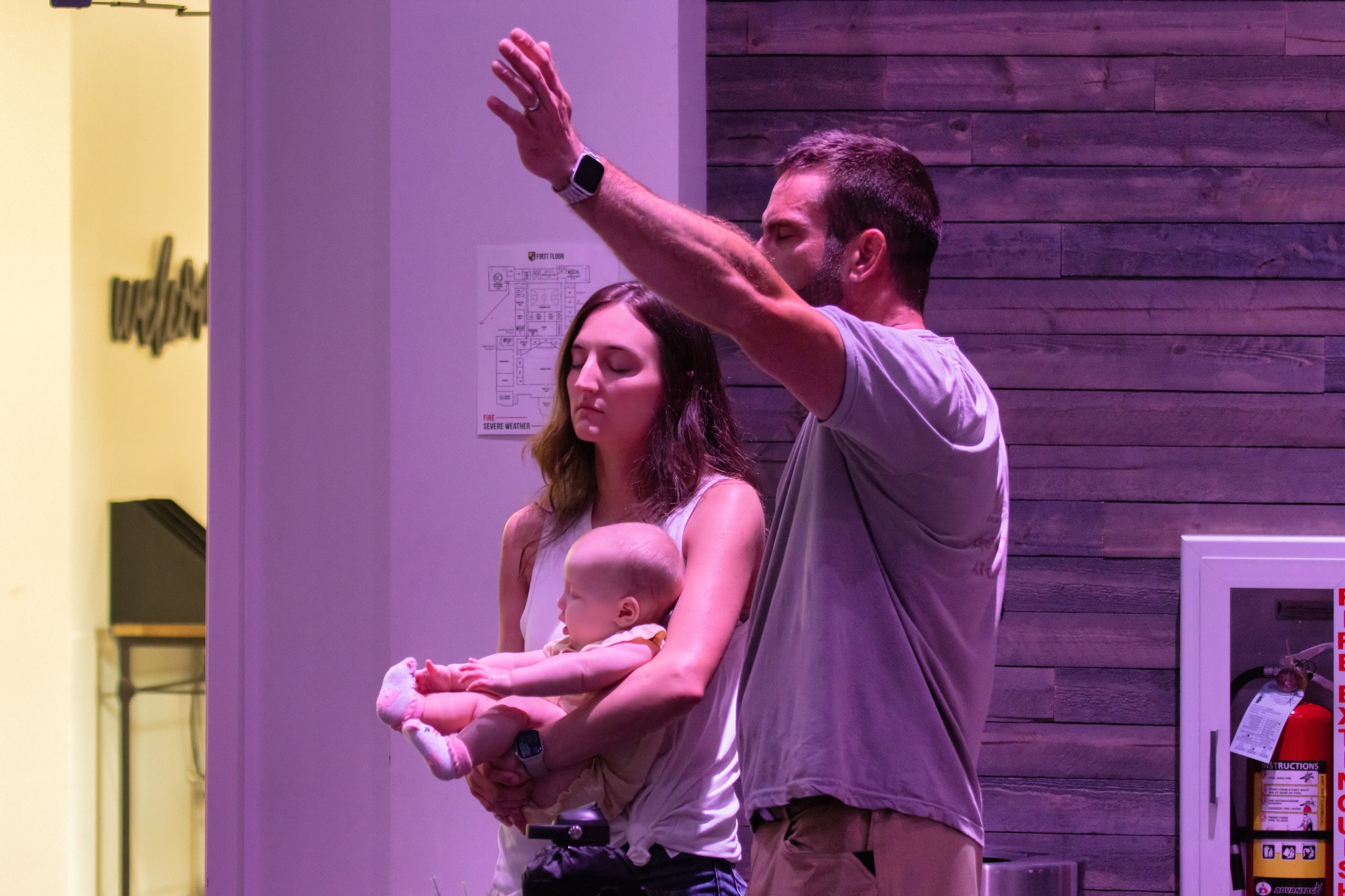
Design monthly services where families worship together from start to finish. Provide quiet activity bags for little ones, but keep everyone in the same space. Let children see adults in authentic worship, prayer, and response to God's word.
2. Implement Family Mentorship Programs
Pair young families with mature believers who commit to relationship, not just babysitting. These mentors attend family events, offer practical help during crises, and provide spiritual guidance that supplements (not replaces) parents' role.
3. Transform Children's Ministry from Entertainment to Participation
Instead of age-segregated programs, create opportunities for children to serve alongside adults: preparing communion, welcoming visitors, helping with community outreach. Let them be contributors, not just consumers.
Top 3 Ways Individuals Can Level Up Deep Connections
1. Choose Community Over Convenience
Instead of dropping kids off and leaving, stay for fellowship. Attend family-friendly events even when it's harder. Let your children see you investing in relationships with people who aren't biologically related to them.
2. Become an Intentional Spiritual Aunt or Uncle
Single adults and empty nesters: adopt a young family. Show up for birthday parties, offer to babysit during crises, pray specifically for their children. Be the extended family that many people lack.
3. Practice Transparent Faith at Home and Church
Let your children see you pray about real struggles, ask for forgiveness when you mess up, and celebrate answered prayers. Stop trying to look perfect at church; start being authentic about your spiritual journey.

The Path Forward
Look, Parents Day Out programs aren't evil. Many serve important needs for overwhelmed families. But if we're honest, they can become substitutes for the deeper relationships our children actually crave.
What if instead of asking, "Where can I drop off my kids?" we started asking, "How can my family become more connected to our church family?" What if we prioritized relationship over convenience, community over comfort?
At Boundless Online Church, we're reimagining what family-centered faith community looks like in our digital age. Because whether you're gathering in person or connecting online, the principle remains: children thrive when they're part of authentic, intergenerational spiritual family.
Your children don't just need childcare. They need to see faith lived out in community. They need spiritual aunts and uncles. They need to witness imperfect people loving each other well. They need to belong to something bigger than your nuclear family.
Coming up in Part 4: How Memphis churches are revolutionizing Wednesday night programs to build real relationships instead of religious routines.
Ready to experience authentic faith community? Visit us at First Assembly Memphis, 8650 Walnut Grove Road, Cordova, Tennessee 38018. Phone: 901-843-8600. Email: info@famemphis.net. Because you're never forgotten, never alone, and deeply loved by God.
Comments