
Tech and Testimony: Turning Life Stories Into Podcasts That Inspire
- Boundless Team

- Feb 26
- 5 min read
There's something beautiful about hearing someone share their story: really share it. The messy parts, the turning points, the moments where faith showed up unexpectedly. These testimonies have been changing lives for thousands of years, passed down around dinner tables, in small groups, and from church pulpits.
But here's the thing: those stories don't have to stay within four walls anymore.
If you've ever thought about turning powerful testimonies into podcasts but felt overwhelmed by the "tech stuff," let me walk you through this. Because friend, you don't need a fancy studio, expensive equipment, or a production team. You just need a story worth telling and the willingness to press record.
Let's break it down together.
Why Testimonies Make the Best Podcasts
Before we dive into the how, let's talk about the why: because this matters.
People are hungry for real connection. In a world of polished social media feeds and curated highlight reels, raw authenticity cuts through the noise like nothing else. When someone shares their actual journey: the doubts, the struggles, the redemption: listeners lean in.
Research consistently shows that human connection drives listener loyalty. When audiences connect with a person's story, they stay engaged. They want to know what happens next. They see themselves in that narrative.
And here's something powerful: testimonies aren't just inspiring to hear. They're transformative to share. When someone puts words to their faith journey, it often deepens their own understanding of how God has moved in their life.
Your church or community is sitting on a goldmine of stories. Stories of healing, restoration, provision, and hope. Why not share them with a world that desperately needs to hear them?

What You Actually Need (Spoiler: It's Less Than You Think)
Let's bust a myth right now: you don't need a professional recording studio to create a meaningful podcast.
Here's your minimalist starter kit:
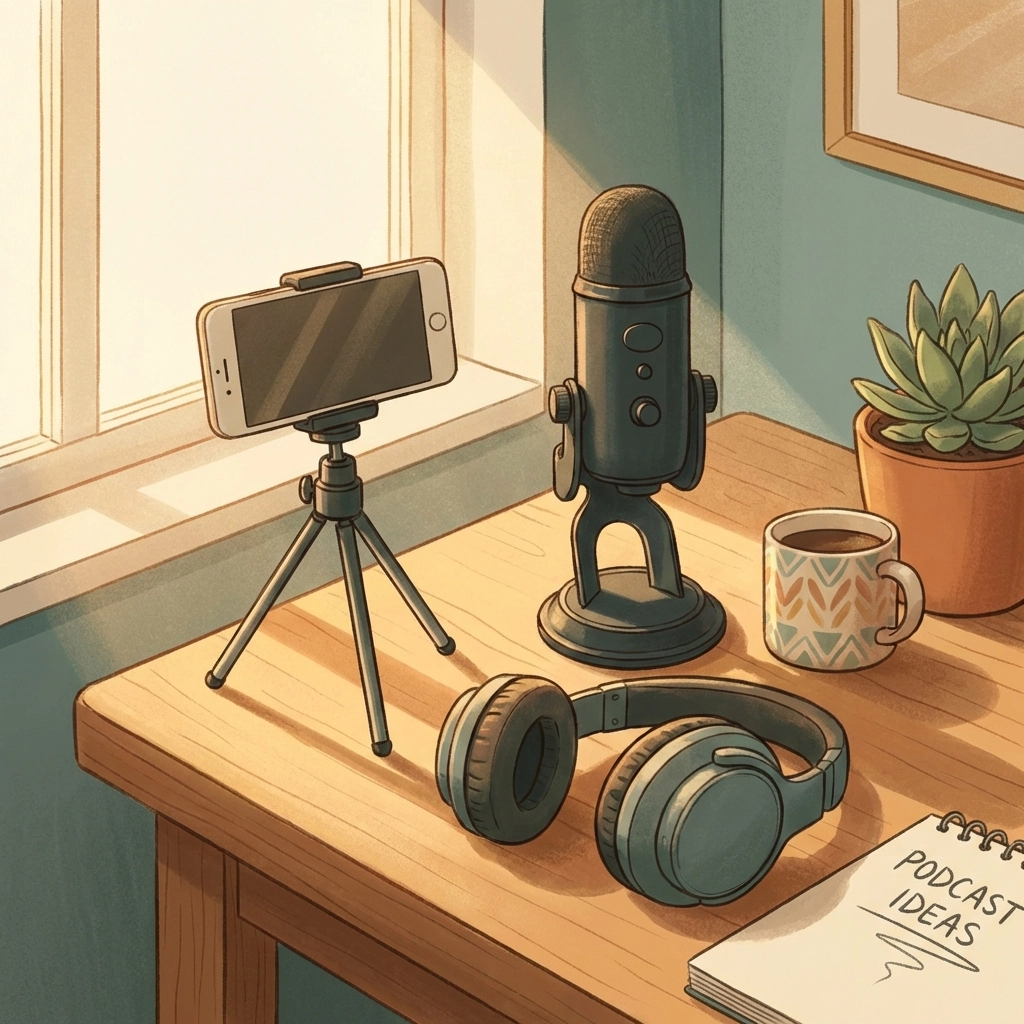
A smartphone or basic USB microphone. Seriously. Modern smartphones have surprisingly good built-in microphones. If you want to level up slightly, a USB microphone (around $50-100) will give you cleaner audio. Popular options include the Blue Yeti or Audio-Technica ATR2100.
A quiet space. This matters more than expensive gear. Find a room with carpet, curtains, or soft furniture: these absorb echo. A closet full of clothes actually makes a surprisingly good recording booth.
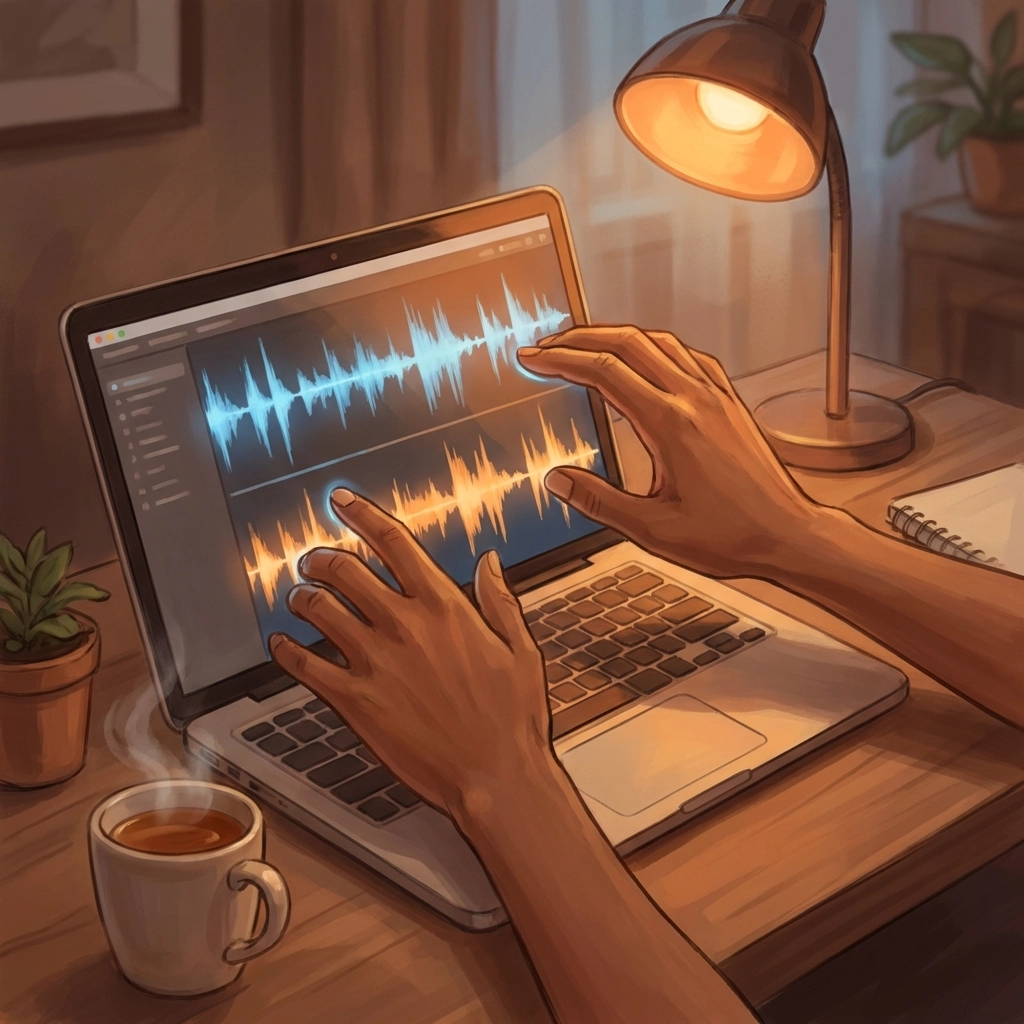
Free or low-cost recording software. Audacity is completely free and works great for beginners. GarageBand comes free on Apple devices. These tools handle everything you need.
A hosting platform. Services like Anchor (now Spotify for Podcasters) let you host and distribute your podcast for free. They'll push your episodes to Apple Podcasts, Spotify, and other platforms automatically.
That's it. You could literally start today with what you already own.
Finding Stories Worth Sharing
Now comes the beautiful part: discovering the testimonies waiting to be told.
Start by looking around your own community. Who has a story of transformation? Maybe it's the single mom who found community when she thought she was alone. The recovering addict who encountered grace. The couple whose marriage was restored. The teenager who discovered purpose.
Here's a key insight from experienced podcast creators: effective life story podcasts move beyond surface-level facts to reveal what makes people human. Their motivations, fears, quirks, and turning points.
Instead of simply stating "John started attending church," explore why. What was happening in his life? What pushed him through the doors? What surprised him? What scared him?
When you're identifying potential guests, look for:
Transformation arcs – Stories with a clear "before" and "after"
Relatable struggles – Experiences your audience might see themselves in
Authentic emotion – People willing to be genuinely vulnerable
Diverse perspectives – Different ages, backgrounds, and faith journeys
Preparing for the Conversation
Here's something important: the best testimony podcasts feel like conversations, not interviews. Your job isn't to interrogate: it's to create space for someone to share authentically.
Before you record, have a casual pre-conversation with your guest. Talk through the general direction of their story. This isn't about scripting responses; it's about helping them feel comfortable and identifying the most meaningful moments to explore.
Prepare open-ended questions that invite depth:
"Take me back to that moment. What was going through your mind?"
"What were you most afraid of during that season?"
"When did you first sense something shifting?"
"What would you tell someone walking through the same thing right now?"
The goal is asking genuinely curious questions that surface tension and meaning. Great podcasts like Death, Sex & Money succeed because they dig into the real stuff: the messy, complicated, beautiful reality of human experience.
Recording: Keep It Real
When it's time to record, simplicity is your friend.
Set up your space, do a quick audio test, and then... just talk. The magic happens when people forget there's a microphone and simply share from the heart.
A few practical tips:
Embrace the pauses. When someone gets emotional or thoughtful, resist the urge to fill the silence. Those moments often lead to the deepest insights.
Stay curious. If something surprises you or moves you, say so. Your genuine reactions help listeners connect.
Don't worry about perfection. Stumbles, laughs, and even tears make the conversation feel authentic. You can always edit later, but you can't manufacture realness.
Record more than you need. It's much easier to trim content than to realize you missed something important.

Simple Editing That Anyone Can Do
Editing doesn't have to be intimidating. For testimony podcasts, less is often more.
Your basic editing checklist:
Trim the beginning and end – Cut the "is this thing on?" moments
Remove long awkward pauses – But keep meaningful ones
Clean up any major audio issues – Background noise, loud bumps
Add simple intro/outro music – Free options abound on YouTube Audio Library or Epidemic Sound
Here's something encouraging: AI-powered tools have made podcast editing incredibly accessible. Platforms like Linda AI and others can help remove background noise, optimize audio quality, and even generate intro music automatically. Technology has truly democratized podcast creation.
For a testimony podcast, aim for episodes between 20-45 minutes. Long enough to go deep, short enough to hold attention during a commute or workout.
Making Your Stories Connect
The technology matters less than the substance. What truly makes a testimony podcast powerful?
Vulnerability. When your guest shares their real struggles: not a sanitized version: listeners feel permission to acknowledge their own.
Specificity. Concrete details ground abstract spiritual truths. Instead of "God provided," share the actual story of the unexpected check, the friend who showed up, the opportunity that appeared.
Hope without easy answers. The best testimonies acknowledge that faith doesn't make everything simple. Sometimes healing is gradual. Sometimes questions remain. That honesty actually builds trust.
A clear throughline. What's the central theme or question this story explores? Keeping that thread visible helps listeners follow along and find meaning.
Getting Your Podcast Out There
Once your episode is ready, publishing is surprisingly straightforward.
Upload to your hosting platform, write a compelling episode description, and let the distribution happen automatically. Share on your church's social media, in your email newsletter, and within your small groups.
Consider these ideas for building momentum:
Create short audio clips or quote graphics for social sharing
Encourage guests to share their episode with their own networks
Cross-promote on your church website: maybe link from your blog or main page
Invite listeners to suggest future guests or share their own stories
Your Stories Matter
Here's the beautiful truth at the heart of all this: every testimony matters. Every story of grace, every moment of breakthrough, every journey from darkness to light: these aren't just nice to share. They're powerful.
Someone out there needs to hear exactly what your community has experienced. They need to know they're not alone. They need hope that change is possible.
And you have the tools to reach them.
So start simple. Find one person with a story worth telling. Press record. Share it with the world.
You might be surprised how far that story travels; and how many lives it touches along the way.
Comments