
7 Life Questions Everyone's Afraid to Ask

You know that question that keeps you up at 2 AM? The one you're almost too scared to Google? The one that makes you feel like maybe you're the only person on earth wrestling with it?
Friend, you're not alone.
Dr. Layne McDonald, Online and Connection Pastor at FA Memphis and Boundless Online Church, has spent years walking alongside people who carry these unspoken questions like weighted secrets. And here's what he's discovered: the questions you're most afraid to ask are often the ones Jesus is most ready to answer.
Let's talk about seven of them. Not with religious platitudes or easy answers, but with the radical, life-changing truth of who Jesus really is.

Question 1: "Am I Too Broken for God to Love?"
This is the big one. The question that whispers in the quiet moments when you're scrolling through social media, comparing your messy reality to everyone else's highlight reel. When past mistakes flash through your mind like a painful movie you can't turn off.
Here's what Dr. McDonald wants you to know: Jesus didn't come for people who had it all together. He came specifically for the broken, the struggling, the ones who felt like they'd blown their chance at redemption.
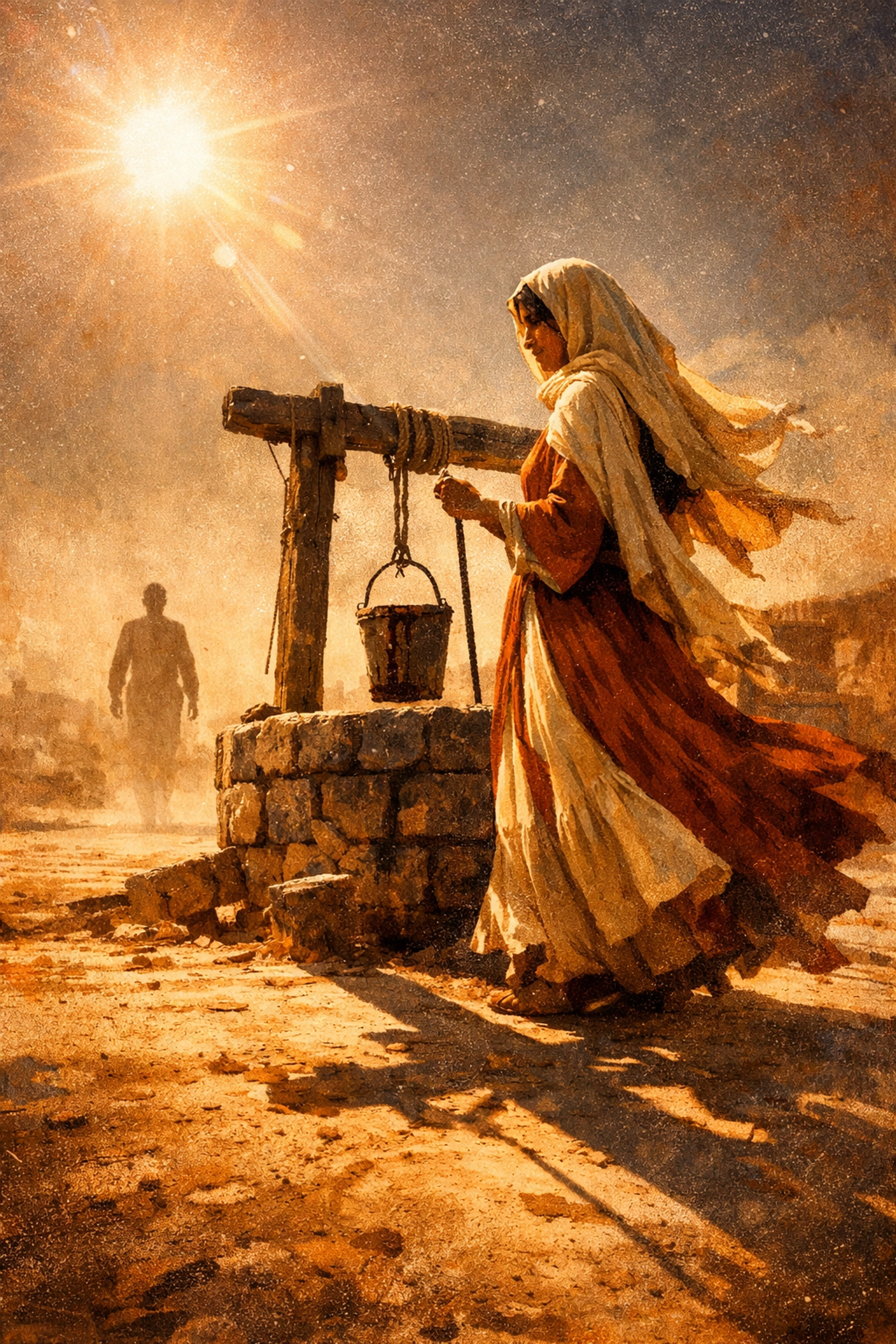
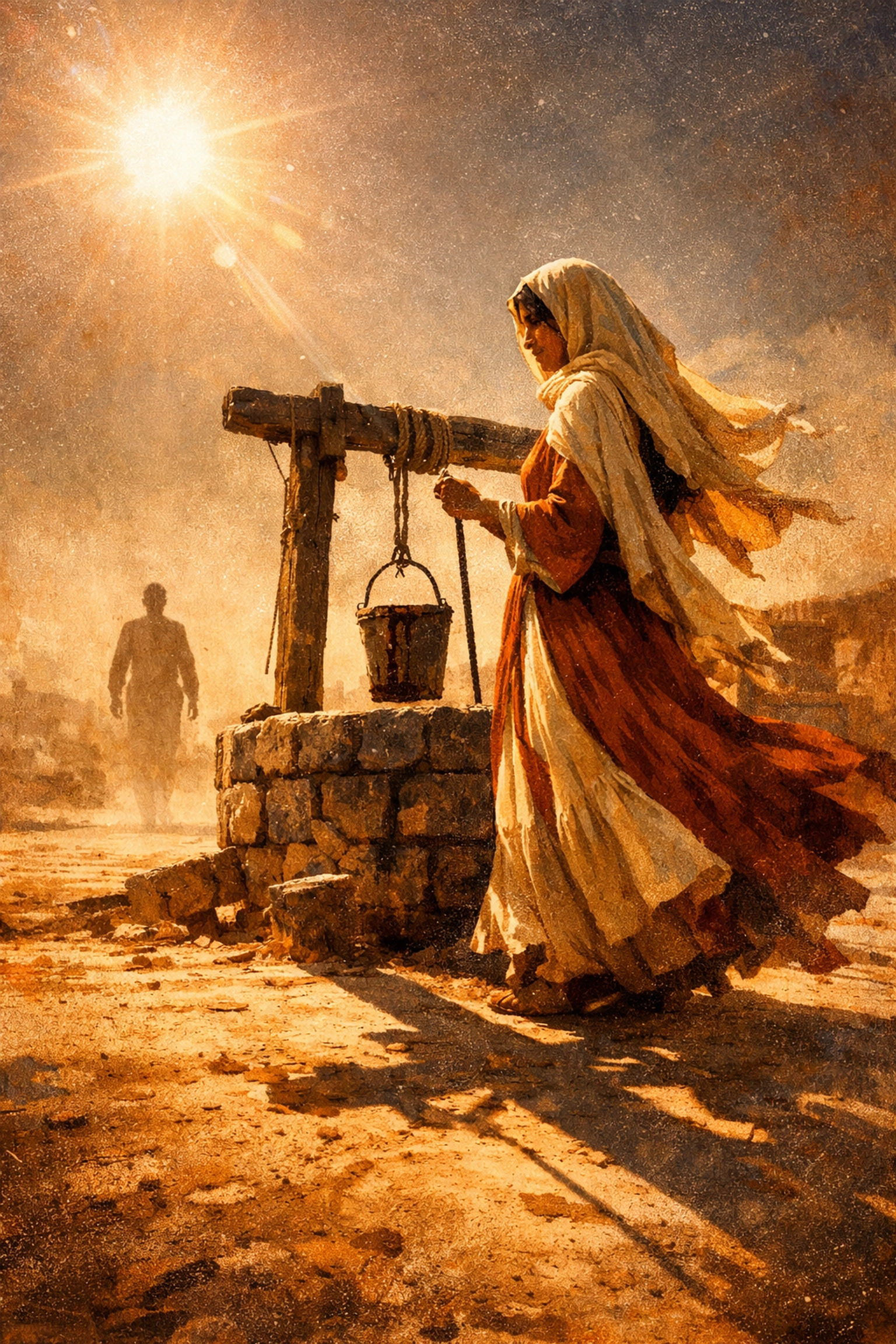
Think about the woman at the well: five failed marriages, living with a man who wasn't her husband, avoiding the judgmental stares of her community by fetching water in the scorching midday heat. Jesus didn't lecture her. He offered her living water. He saw past her brokenness to her belovedness.
Your past doesn't disqualify you from God's love. It's actually the very place where His grace becomes most beautiful. Romans 5:8 puts it perfectly: "But God demonstrates his own love for us in this: While we were still sinners, Christ died for us."
While. Not after you cleaned up. Not when you finally got your act together. While.
Question 2: "What's My Purpose Here?"
You've probably asked this one during a job you hate, a relationship that ended, or a season where nothing seems to make sense. What am I even doing here?
Dr. McDonald approaches this question with both theological depth and practical wisdom. Your purpose isn't some mystical treasure hunt where you're searching for one perfect calling. It's actually much more beautiful than that.
According to Jeremiah 29:11, God has plans for you: plans to prosper you, not to harm you, plans to give you hope and a future. But here's the thing: those plans often unfold in the everyday moments. In how you love your neighbor. In the kindness you show the barista. In the way you choose integrity when no one's watching.
Your purpose is to reflect Christ wherever you are, in whatever you're doing. Sometimes that looks like leading a ministry. Sometimes it looks like changing diapers and praying over your kids. Sometimes it's showing up for that ordinary job with extraordinary faithfulness.
You don't have to have it all figured out. You just have to take the next right step.

Question 3: "Why Does God Feel So Far Away?"
This one hurts. You pray, but it feels like your words bounce off the ceiling. You read the Bible, but the words feel flat. Other people talk about hearing God's voice, and you wonder what's wrong with you.
Here's what Dr. McDonald has learned through his own spiritual journey: God's presence isn't dependent on your feelings. That might sound harsh at first, but it's actually incredibly liberating.
In Hebrews 13:5, God promises, "Never will I leave you; never will I forsake you." Not "I'll never leave you when you feel close to me." Not "I'll stick around when you're doing everything right." Never. Period.
Sometimes God feels distant because we're going through a season of spiritual growth that requires faith rather than feelings. Sometimes it's because we're carrying pain that needs processing. Sometimes it's simply the reality of living in a broken world.
But distance isn't abandonment. The sun doesn't stop shining when clouds cover it. God doesn't stop being present when you can't feel Him.
Keep showing up. Keep praying, even when it feels mechanical. Keep reading Scripture, even when it feels dry. Faithfulness in the desert seasons is what builds the kind of resilient trust that can weather anything.
Question 4: "How Do I Forgive When the Hurt Goes So Deep?"
Maybe someone betrayed you. Maybe childhood wounds still bleed. Maybe the person who hurt you isn't even sorry.
Dr. McDonald doesn't sugarcoat this one: forgiveness is one of the hardest things Jesus asks of us. But He asks it anyway, because He knows that unforgiveness is a prison where we're both the guard and the inmate.
Look at Jesus on the cross: suffering the ultimate injustice, experiencing the ultimate betrayal: and His words cut through the darkness: "Father, forgive them, for they do not know what they are doing" (Luke 23:34).
Forgiveness doesn't mean what happened was okay. It doesn't require reconciliation with someone who's unsafe. It doesn't mean forgetting or pretending the hurt didn't happen.
Forgiveness means releasing your right to revenge and trusting God to be the ultimate judge. It means choosing freedom over bitterness. And here's the beautiful truth: you don't have to do it in your own strength. When you can't forgive, ask Jesus to forgive through you.

Question 5: "Can I Really Trust God with My Future?"
Control is seductive. We like plans, backup plans, and backup plans for our backup plans. The idea of surrendering control to anyone: even God: can feel terrifying.
But Dr. McDonald points to Proverbs 3:5-6: "Trust in the Lord with all your heart and lean not on your own understanding; in all your ways submit to him, and he will make your paths straight."
Your own understanding is limited. You can see today, maybe glimpse tomorrow. God sees the whole story: beginning, middle, and end. He sees the connections you can't make, the dangers you don't know to avoid, the blessings you can't yet imagine.
Trusting God doesn't mean you stop planning or making wise decisions. It means you hold your plans loosely, knowing that His ways are higher than yours. It means you do your best and trust God with the rest.
Every time you choose trust over control, you're building a deeper relationship with the God who's never once failed to keep His promises.
Question 6: "Is It Okay to Be Angry with God?"
Short answer? Yes.
Longer answer? The Psalms are full of raw, honest prayers that would make most Sunday school teachers uncomfortable. David literally asks God, "Why have you forsaken me?" (Psalm 22:1). The same words Jesus would cry from the cross.
Dr. McDonald encourages honest conversations with God because God isn't fragile. He doesn't need you to pretend. He can handle your anger, your questions, your doubt. What He wants is relationship, and relationship requires honesty.
Being angry with God is different from rejecting God. It means you're still engaged, still in the conversation. That's actually a sign of faith, not a lack of it.
Bring your anger to Him. Yell if you need to. Ask the hard questions. And then listen. Because God has a way of meeting us in our most honest moments with a comfort that surpasses understanding.
Question 7: "What If I've Made Too Many Mistakes to Start Over?"
Here's where the Gospel gets really good. The entire message of Christianity is that new beginnings are always possible because of what Jesus did on the cross.
2 Corinthians 5:17 says, "Therefore, if anyone is in Christ, the new creation has come: The old has gone, the new is here!"
Dr. McDonald has witnessed countless transformations: people who thought they'd gone too far, messed up too badly, burned too many bridges. And over and over, he's seen Jesus do what only Jesus can do: make all things new.
Your mistakes don't define you. Your past doesn't own you. Every single morning is an invitation to begin again in God's grace.
The prodigal son came home expecting to be a servant. His father threw a party. That's the heart of God toward you: not condemnation, but celebration. Not punishment, but welcome.
Welcome Home
Friend, whatever question you're carrying today, know this: Jesus isn't intimidated by it. He's not shocked by your doubt or disappointed by your struggle. He's inviting you into a conversation that could change everything.
At Boundless Online Church, we're committed to creating space for these honest questions and Jesus-centered answers. Dr. Layne McDonald and our entire community believe that the most profound spiritual growth happens when we stop pretending we have it all together and start bringing our whole selves: questions and all: to the One who has all the answers.
Ready to keep exploring life's biggest questions with a community that gets it? Subscribe to stay connected with our latest series, messages, and resources designed to help you grow in faith without the religious pretense. Visit us at www.boundlessonline.org to dive deeper.
Get Connected
Boundless Online Church AI 24/7 Assistant: 1-901-668-5380
Boundless Phone: 1-901-213-7341
FA Memphis: 1-901-843-8600
Email:lmcdonald@famemphis.net
Website:www.boundlessonlinechurch.org
You don't have to walk through your questions alone. We're here, and more importantly, Jesus is here. Always has been. Always will be.

Comments