
Is Miraculous Healing Still Possible for Me Today?
- Boundless Team

- Feb 26
- 6 min read
Internal Audience Label: Tier 1 – Skeptical Seekers
Yes—God still heals people today. As Assemblies of God believers, we believe divine healing is a core biblical truth and we pray for the sick in faith, trusting the Holy Spirit to work. Whether healing is instant, gradual, or ultimately fulfilled in eternity, God is still good and still near.
Is Miraculous Healing Still Possible for Me Today?
Let me be straight with you: when someone asks this, it’s usually personal. It’s sitting in a waiting room, reading a diagnosis, living with chronic pain, or wondering why you keep hearing about miracles—but you need one of your own.
And if you’ve ever thought, “Does God really heal today… and could that include me?”—you’re not alone. I’ve asked it too.
Here’s where I want to be honest and gracious: we can believe in divine healing and still admit the pain of suffering. In the Pentecostal worldview, we don’t ignore the tension—we bring it to Jesus, and we keep praying with hope.
What Does the Bible Say About Healing?
The Assemblies of God holds firmly to what Scripture teaches about divine healing—it’s one of our core convictions (Fundamental Truth #12). That means we don’t treat healing like a weird side topic. We see prayer for the sick as normal church life, because the Holy Spirit is still at work today.
Let’s look at what God’s Word says:
Isaiah 53:5 tells us, "But he was pierced for our transgressions, he was crushed for our iniquities; the punishment that brought us peace was on him, and by his wounds we are healed."
This isn't just spiritual healing. The Hebrew word for "healed" here (rapha) includes physical restoration. When Jesus went to the cross, He carried our sins and our sicknesses.
James 5:14-15 gives us practical instruction: "Is anyone among you sick? Let them call the elders of the church to pray over them and anoint them with oil in the name of the Lord. And the prayer offered in faith will make the sick person well; the Lord will raise them up."
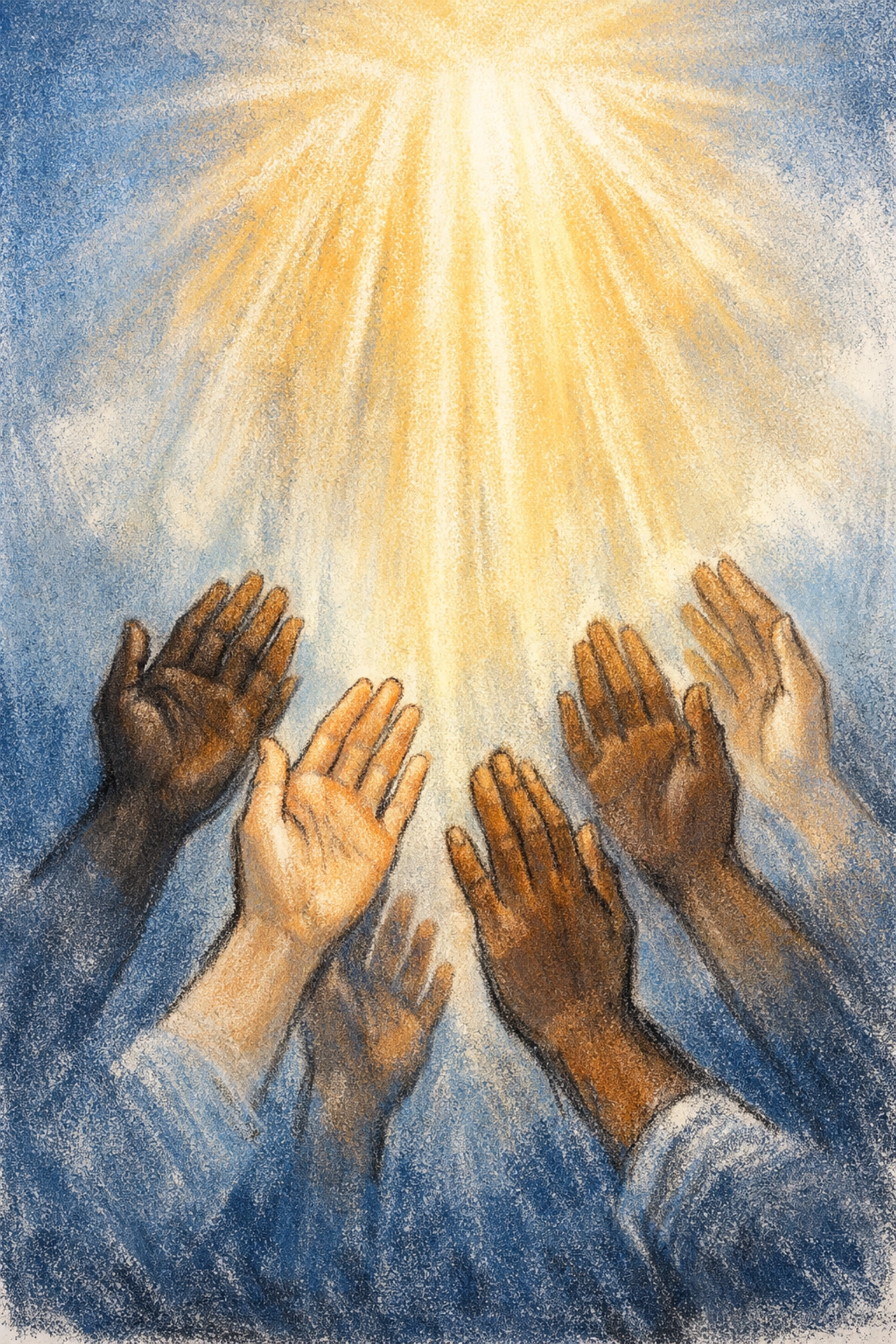
Matthew 8:16-17 shows Jesus fulfilling Isaiah's prophecy: "When evening came, many who were demon-possessed were brought to him, and he drove out the spirits with a word and healed all the sick. This was to fulfill what was spoken through the prophet Isaiah: 'He took up our infirmities and bore our diseases.'"
Healing wasn't just a side ministry for Jesus, it was central to His mission. And when He sent out His disciples, He gave them authority to heal the sick (Luke 9:1-2). That authority didn't expire when the last apostle died. The same Holy Spirit who empowered the early church lives in believers today.
The Pentecostal Perspective on Healing
As a Pentecostal church, we believe the gifts of the Spirit, including gifts of healing, are active today (1 Corinthians 12:9). We've seen it. People in our church family have been healed of cancer, chronic pain, depression, addiction, and broken relationships. Not because we're special, but because we serve a God who heals.
Acts 10:38 sums up Jesus' ministry: "God anointed Jesus of Nazareth with the Holy Spirit and power, and...he went around doing good and healing all who were under the power of the devil, because God was with him."
That same Spirit is with us. That same power is available.
But here's where we need to be honest and biblical: God heals according to His will and for His glory. He doesn't promise to heal everyone, every time, in the exact way we ask. Paul had a "thorn in the flesh" that wasn't removed despite his prayers (2 Corinthians 12:7-9). Timothy had stomach issues (1 Timothy 5:23). Epaphroditus was deathly ill (Philippians 2:27).
Even in Scripture, healing wasn't automatic or universal. It was always according to God's sovereign will.

Addressing Common Misconceptions
Misconception #1: "If I'm not healed, I don't have enough faith."
This is one of the most damaging lies circulating in some Christian circles. Faith matters, Jesus often commended people's faith when they were healed. But lack of immediate healing doesn't equal lack of faith. God's "no" or "not yet" isn't a reflection of your spiritual failure. Sometimes the greater miracle is the grace to endure with hope.
Misconception #2: "God doesn't heal anymore, that was just for biblical times."
This view (called cessationism) suggests that miracles stopped after the apostolic age. But there's no biblical support for this. Jesus is "the same yesterday and today and forever" (Hebrews 13:8). Why would a God who demonstrated His love through healing suddenly stop? The testimony of millions of believers worldwide, and medical documentation of unexplained recoveries, suggests otherwise.
Misconception #3: "If God heals, I shouldn't see a doctor."
Medicine is a gift from God. Using medical treatment doesn't show a lack of faith. Luke, who wrote one of the Gospels, was a physician. God heals through prayer, through doctors, through medicine, and sometimes through miraculous intervention. They're not mutually exclusive.
Misconception #4: "Modern healings aren't as 'real' as biblical miracles."
Some argue that unless someone is raised from the dead or walks after being paralyzed for decades, it's not a "real" healing. But Scripture records healings of all kinds, fevers, bleeding, blindness, leprosy, and yes, death. God meets people in their specific need. A healed marriage is just as supernatural as a healed body. Freedom from anxiety is just as miraculous as freedom from cancer.
When Healing Doesn’t Happen Right Away
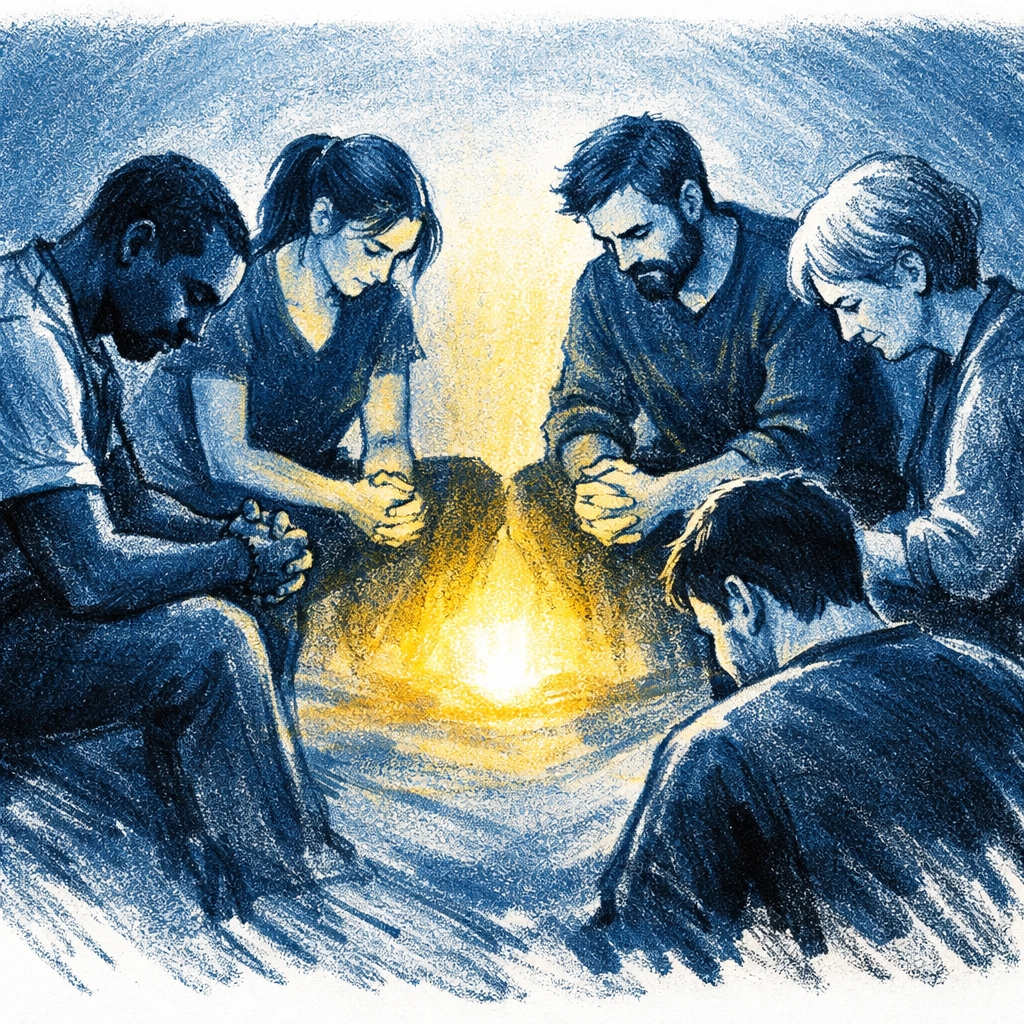
If you’re reading this while you’re still sick—or someone you love is still sick—I want to say this carefully: your pain is real, and your faith isn’t fake just because you’re still waiting.
The Bible shows us both: real miracles and real suffering. Paul had a “thorn in the flesh” that didn’t lift the way he asked, yet God met him with sustaining grace (2 Corinthians 12:7–9). And at the same time, Scripture tells us to keep calling for prayer and keep asking God to heal (James 5:14–15).
So we do both:
We ask boldly for healing.
We trust deeply with the outcome.
We stay connected to Jesus and His people while we wait.
Quick pastoral note for clarity: I’m cautious with any message that says sickness is always caused by a specific personal sin. Scripture calls us to examine our hearts (James 5:16), but it also shows suffering that isn’t a direct personal “fault” (John 9:1–3). If you’re sick, I’m not here to accuse you—I’m here to pray with you and point you to Jesus.
Healing Beyond the Physical
Here's something crucial: God's healing isn't limited to physical ailments.
He heals:
Emotional wounds from trauma, abuse, and loss (Psalm 147:3)
Mental health struggles like depression and anxiety (Philippians 4:6-7)
Broken relationships through forgiveness and reconciliation (Ephesians 4:32)
Spiritual bondage from sin and shame (1 John 1:9)
Generational patterns that have held families captive for decades (Galatians 3:13-14)
Sometimes the most profound healing happens in places no X-ray can see.

Practical Next Steps for Memphis and Beyond
So what do you do with this information? Here's how you can step into the reality of God's healing power:
1. Bring your need to God in prayer. Don't wait. Don't feel like you need to "clean up" first. Come as you are. Be specific. Be honest. Be bold.
2. Ask for prayer from mature believers. James 5:14 wasn't a suggestion, it was instruction. If you're part of a church community, ask your elders or small group to pray for you. If you're not connected yet, that's okay. Reach out to us.
3. Examine your heart. Is there unforgiveness, bitterness, or unconfessed sin creating a barrier? Sometimes spiritual healing must come before physical healing.
4. Seek medical care. God gave humans the ability to develop medicine and medical procedures. Use them. Pray for your doctors. Trust God to work through their skill.
5. Trust God's timing and wisdom. If healing doesn't come immediately, don't give up. Keep praying. Keep believing. Keep trusting that God is good even when life is hard.
6. Testify when you ARE healed. Don't keep it to yourself. Your story could be the thing that builds someone else's faith.
Our Memphis Community (and our online family)
Here at First Assembly Memphis, prayer for the sick isn’t a “special moment”—it’s part of normal church life. If you’re in Memphis/Cordova/the 901, we’d love to pray with you in person—to agree with you, anoint with oil when appropriate (James 5:14–15), and keep showing up with compassion while you walk this out.
And if you’re not local or can’t attend in-person, you can still ask for prayer through Boundless Online Church. You’re not watching from the outside—you’re part of the family, and we can pray with you digitally and keep believing with you.
WHY this matters to us: We exist to proclaim Jesus, make disciples, strengthen families, and serve people right where they are—Memphis and beyond. Healing prayer is one practical way we love people like Jesus does.

Want to go deeper?
If you're in Memphis or the 901, we would love to welcome you in person: 🌐 www.famemphis.org
If you're outside our area or unable to attend locally, join us online: 🌐 www.boundlessonlinechurch.org
If you need prayer or someone to talk to, you are not alone. 📞 Call or Text: (901) 213-7341
We are here for you.
FA Memphis Series: so we can make sure we know that these are being posted to Boundless Online Church (www.boundlessonlinechurch.org) Boundless Online Church is an online outreach ministry of FA Memphis Church, here in Cordova, TN.
Comments